Finding beauty in the abandoned: Why renovations are crucial and why old is not bad
With the right vision, renovation can lead to growth, creativity, and sustainability

When you think of Japanese craftsmanship, one of the first things that often comes to mind is kintsugi or the art of repairing broken pottery with gold. Ironically, while Japan celebrates this philosophy in art, the mindset is completely different when it comes to houses.
The average lifespan of a house in Japan is about 30 years before it is replaced. Perfectly good homes, rich in history and character, and built with quality materials are treated as disposable. The concept of renovating rather than rebuilding remains a foreign idea.
The first time I stepped into an abandoned house in Tokyo, I was in disbelief. I thought, “Why isn’t this a sought-after property?” It had a fantastic location, plenty of sunlight, and was ridiculously cheap. It was, however, quite run-down. But that was the best part — I could fix it up exactly how I wanted.
The broker who accompanied me thought I was insane for wanting to buy an old house. That moment made me realise just how deeply ingrained the “new is always better” mentality is in Japan.

The hidden value in abandoned spaces
Japanese homes are often treated like disposable objects. The second they are lived in, they lose value. In many Western countries, an old house, with its original features, is a selling point; in Japan, it is a liability. While land prices in popular areas are rising, home values drop to nearly zero after just a few decades.
As a result, there are currently 10 million abandoned homes (akiya) in Japan. By 2033, that number is projected to skyrocket to 22 million, or a third of all homes in the country.
But if you look beyond the surface, you will see that many of these houses have incredible craftsmanship — thick wooden beams, intricate joinery, high-quality materials like hinoki (Japanese cypress), and layouts designed with natural light and airflow in mind. These are things you cannot easily replicate in a new build without spending a fortune.
In Sweden, we use the term ‘renoveringsbehov’ (‘renovation needed’) to refer to properties in need of renovation. Interestingly, these types of properties are often more expensive than ready-to-move-in apartments because buyers want the freedom to renovate the space exactly how they like. By contrast, in Japan, anything that is not brand new is seen as undesirable. Japan could benefit from shifting its perspective towards seeing the potential in a home beyond its age.
Renovation is more sustainable than demolition
If you have ever seen a house being demolished in Japan, you know it is not a gentle process. It is a total teardown, and the amount of waste produced is staggering. Perfectly good materials, including wood, tiles, and fixtures, are smashed and discarded simply because the system favours building from scratch over repurposing.
Incidentally, the construction industry is one of the biggest contributors to waste and carbon emissions worldwide. Renovating instead of rebuilding means less waste going to landfills, less energy used to produce new materials, and ultimately, more sustainable housing solutions.
Renovating also lets you personalise your home. Instead of settling for a cookie-cutter apartment, you can create a space that is unique, customised, and eco-friendly.
Considering natural disasters in renovation
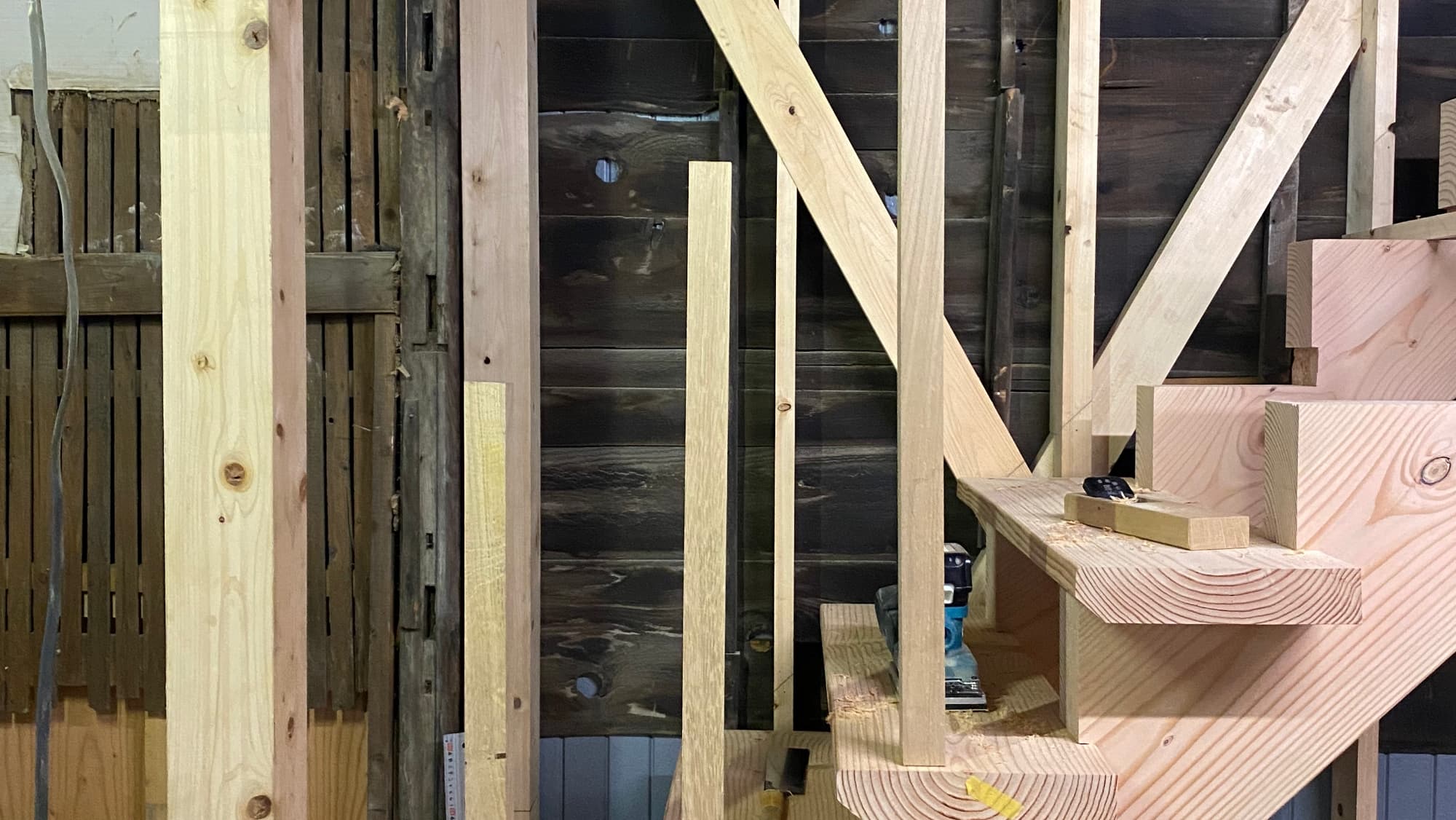
One thing that must be considered when renovating in Japan is earthquake and natural disaster preparedness. Japan sits on the Pacific Ring of Fire, making it one of the most earthquake-prone countries in the world. Older houses often lack modern seismic reinforcements, so ensuring the home’s safety is a must.
This does not mean you need to demolish everything. Many old houses have strong, flexible wooden structures that can withstand earthquakes better than some modern buildings. However, renovating old houses will require reinforcing weak points, securing the foundation, and using traditional construction techniques alongside modern technology to make sure they are safe and sustainable.
Revitalising communities through renovation
Akiya are part of the fabric of a community, and when left abandoned, they can drag an entire neighbourhood down. Renovating a single house can encourage others to take action, attract new residents, and even boost the local economy.
I have turned abandoned homes into thriving Airbnbs, unique rental spaces, and community hubs, and these transformations have brought new energy, new people, and new possibilities
Renovation is about mindset
It is easy to tear something down and replace it, but real value comes from seeing potential where others see problems. This perspective is particularly relevant in a world that constantly pushes us to consume, replace, and upgrade rather than repair, reuse, and reinvent. So, the next time you see a rundown house, do not view it as trash; see it as an opportunity to create something unique.
This article was originally published in ARES White Paper Volume 4. For more information, visit AsiaRealEstateSummit.com or email [email protected].
Recommended

ARES Whitepaper Volume 4: Powering communities – The catalysts of urban evolution
Fresh perspectives on sustainability, lifestyle, and design shaping the future of real estate

ARES White Paper Volume 3: The era of adaptive reinvention
Pioneering sustainable and innovative practices in urban development

ARES White Paper Volume 2: Unravelling the power of data revolution in real estate
Insights on proptech, smart cities, and sustainable development
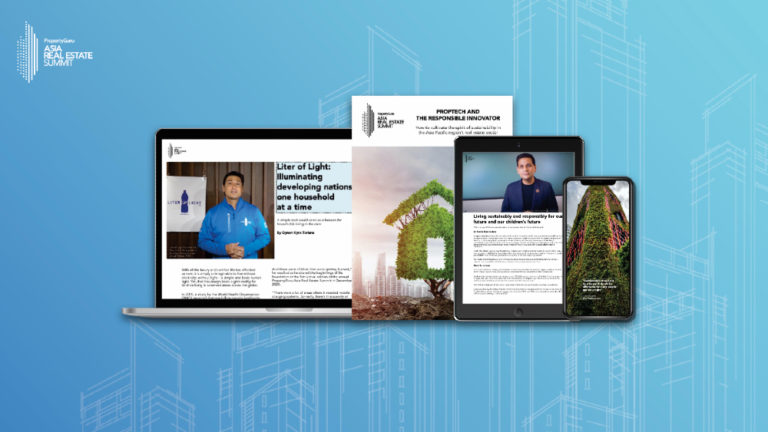
ARES Digital White Paper Volume 1: The fundamentals of responsible building
Green and climate heroes join forces to discuss how Asia Pacific can weather the current environmental crises and the looming effects of climate change