
How property can be a force for good in Asia
Real estate is no longer seen only as an engine of profit but as a measure of how societies value the people who build them
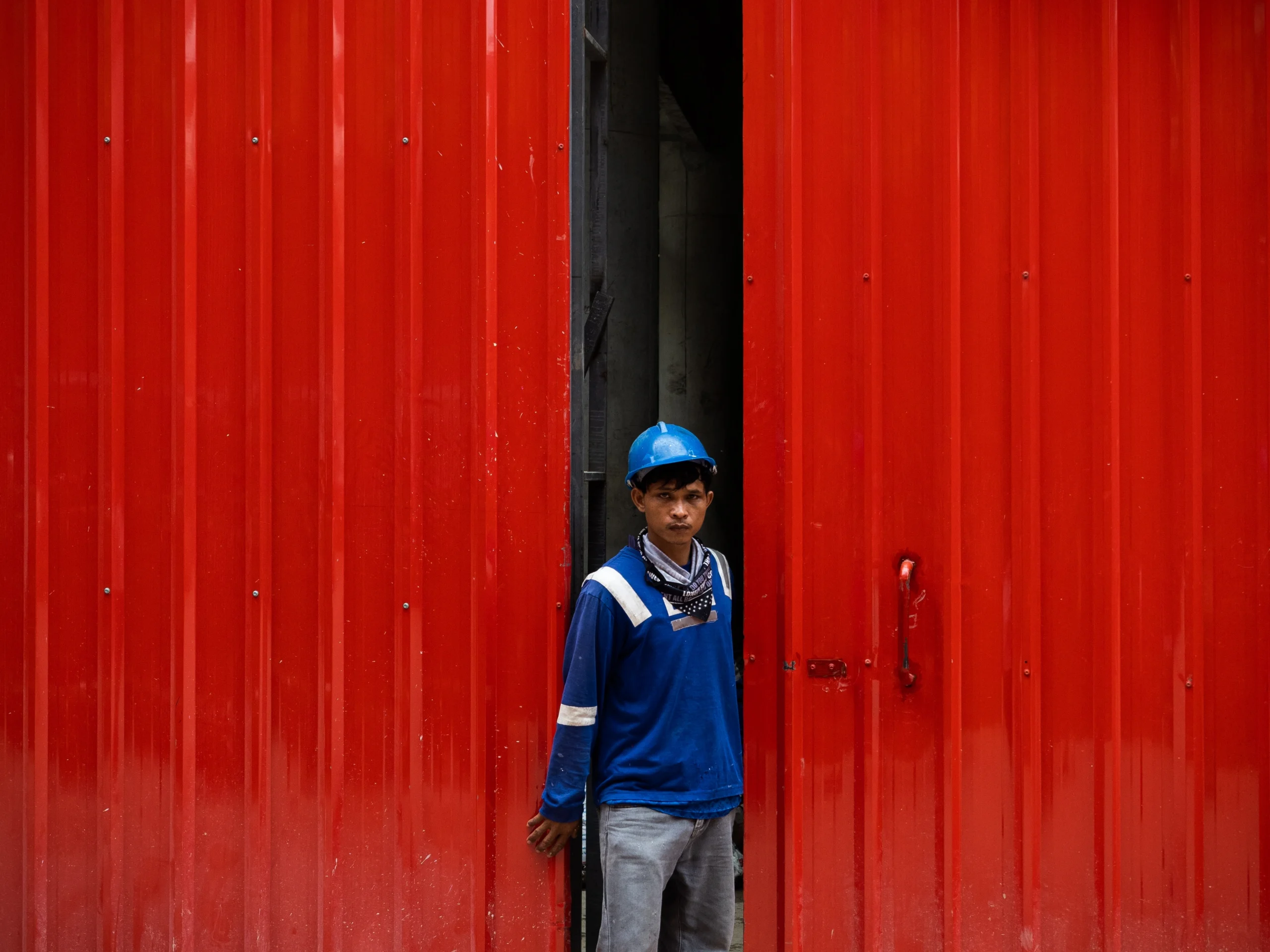
The midday sun makes every surface hurt. Heat radiates off the concrete. Tin shelters line narrow alleys, patched with wire and tarpaulin. In the scant shade, children kick a ball through muddy puddles. Nearby, a mother scrubs dishes in brackish water next to laundry strung across poles. Beyond the corrugated perimeter, engines hum and the city pulses—powered by the same people confined within.
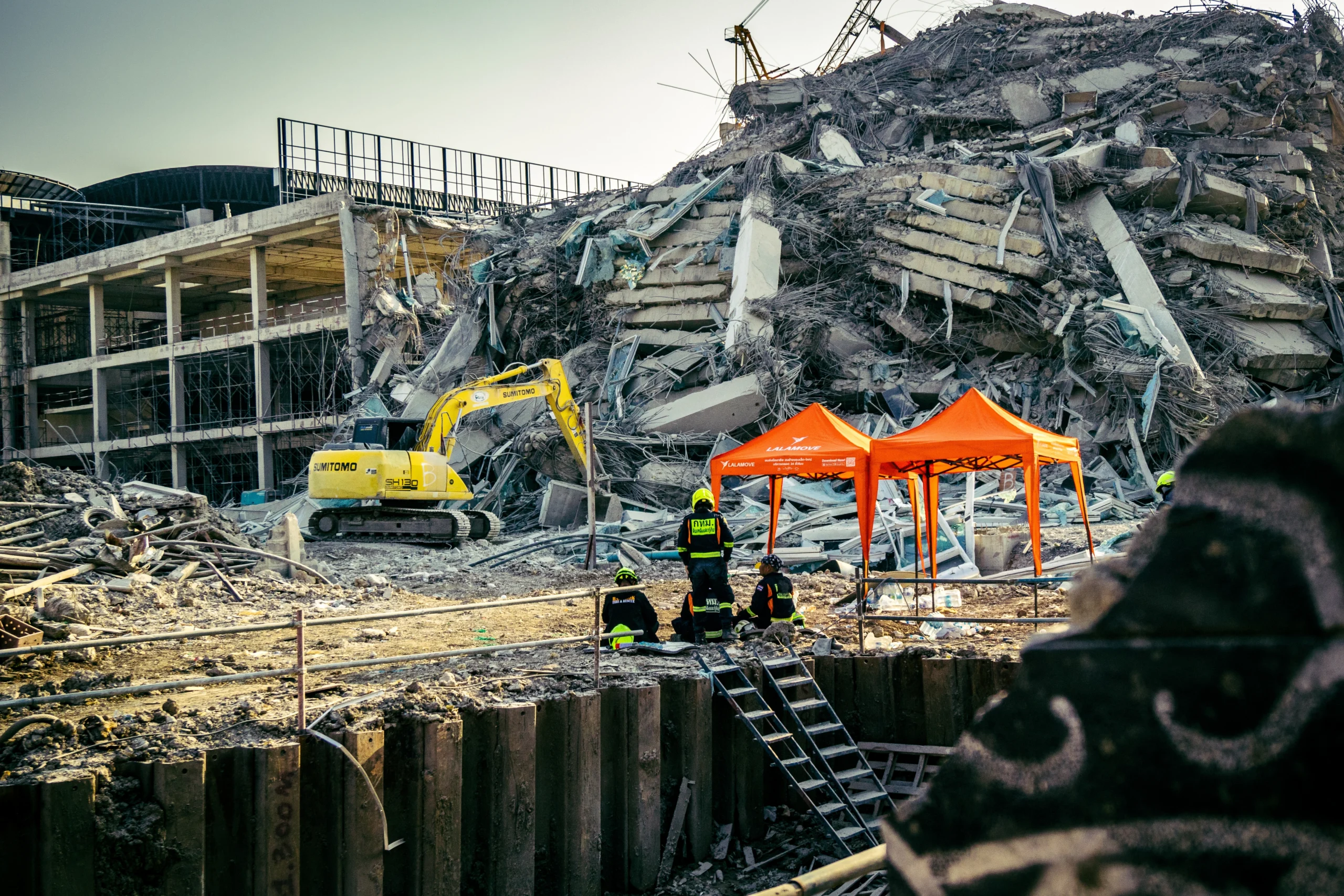
This is life inside a Bangkok construction camp: invisible to many, yet central to the city’s ascent. Thailand’s construction workforce numbers around 2.35 million people as of mid-2024, and a significant share live in temporary sites near their jobs. Thousands of children grow up in these makeshift settlements, often without stable schooling, safe play areas, or reliable sanitation. Their parents build the towers and arteries that define Thailand’s supercharged capital, yet their own foundations remain fragile. In 2025, an elevated road collapsed in Bangkok, killing at least five workers. Weeks later, a half-finished 33-storey tower collapsed during an earthquake, claiming nearly 100 lives. The tragedies sharpened a question long avoided: What does progress mean when those who construct it live without its benefits?
Across Asia’s fast-growing cities, that question is reshaping how governments, investors, and developers think about real estate. Some of the clearest answers are emerging from the public and non-profit sectors.
In Thailand, the Baan Dek Foundation (BDF) has spent the past decade working inside construction camps, where tens of thousands of workers and children live on the margins of the formal city. Its Building Social Impact (BSI) initiative shows how small, inexpensive changes can transform daily life. Nationwide, more than 700,000 construction workers, along with roughly 60,000 children, live in on-site camps, according to Thanadon Chanthathadawong, director of systemic impact at BDF.
“These workers form the backbone of the country’s rapidly growing construction sector, yet many live without access to basic infrastructure or essential services,” he says.
The BSI programme’s interventions are simple—drainage to prevent flooding, shaded walkways, safe play corners, better waste disposal, and ventilation. Their impact is anything but. “These small but targeted actions immediately reduce health and safety risks while improving access to education,” Thanadon says. “They also have a positive effect on worker morale and productivity.”
When real estate celebrates culture and community, it creates mutual benefit, strengthening goodwill and deepening relationships
The foundation’s approach relies on co-design, inviting workers and their families to identify priorities—particularly women and children, whose voices are often overlooked. This process uncovers practical needs such as safer toilets and bathing areas, better lighting for night-shift workers, and clean corners where children can study. When companies embrace this participatory model, engagement replaces resistance, and retention improves.
“Systems tend to focus on physical standards, while developers prioritise cost and timeline,” Thanadon notes. “So the social dimension gets lost in between.” The solution, he argues, lies in incentives: tax breaks, expedited permits, or public recognition for firms that meet verified social standards.
Ultimately, BDF measures success through the single lens of human security. When that sense of security takes hold, communities begin to invest in themselves. At one Chiang Mai site, a few shaded benches and proper drainage turned a muddy corridor into the social heart of the camp. “It quickly became a natural hub for the community,” Thanadon recalls. “When real estate celebrates culture and community, it creates mutual benefit, strengthening goodwill and deepening relationships.”
To move from local improvements to lasting systems, the machinery that builds cities—capital, standards, regulation—must reward social outcomes. That shift is tentative but visible. Lenders are asking for evidence, exchanges are pushing disclosure, and governments are piloting sustainability-linked finance.
In Singapore, the Monetary Authority’s Green Finance Action Plan offers grants and incentives for certified green and sustainability-linked loans. In Thailand, the Securities and Exchange Commission now requires ESG disclosure from listed companies and has broadened the scope of its ESG Fund. Vietnam and the Philippines are piloting sustainability-linked finance programmes linking borrowing costs to measurable impact. These moves are beginning to nudge developers toward viewing social and environmental performance not as costs, but as conditions for capital. According to the International Capital Market Association, sustainable-bond issuance across Asia rose by around 17% in 2024 to nearly USD100 billion, reflecting investor demand for credible impact.
In Singapore, CapitaLand’s renewal of Clarke Quay shows how identity and climate can share the same blueprint. The 2006 transformation, led by architect Stephen Pimbley, combined 19th-century conservation with climate-responsive design. Using the Venturi effect to draw river breezes through the site and the region’s first ETFE canopies for shade, it cut ambient temperatures by about 4°C (39.2°F). Commercial and entertainment activity rose more than 500%, turning the riverside into one of Singapore’s busiest leisure districts.
“It became a model for how to cover and ventilate streets sustainably,” Pimbley recalls. “A thought process that gave the district a new identity.”
Related: Transforming cities with smart infrastructure and sustainable urban planning
Nearly two decades on, CapitaLand Integrated Commercial Trust is refreshing the site again through an SGD62 million upgrade. The plan keeps the warehouses intact while installing lighter, more efficient canopies expected to reduce solar heat gain by 70%.
That same idea—designing around existing patterns of life rather than replacing them—animates work elsewhere in the region. In the Philippines, where malls often stand in for public squares, Robinsons Land has leaned into that role. Robinsons Starmills Pampanga hosts the Giant Lantern Festival; retail centres in Bacolod and Pagadian co-programme markets and small-business fairs.
Elsewhere, connection is built through continuity. In Thailand, AP Thailand keeps open channels with neighbours before and after construction, including consultations, education, and follow-ups. Its 2024 audit logged 96,000 people engaged and no registered complaints—modest, but rare consistency in a volume market.
Verification is becoming the next frontier. Standards that once focused narrowly on carbon and energy are beginning to expand into areas such as wellbeing, accessibility, and local employment. As Thanadon of BDF puts it, real change will depend on incentives that “align social standards with business and human-rights principles,” reframing housing from counting units delivered to improving lives. In short, social responsibility must be designed into the system, not added at the end.
Back in Thailand, the same construction camps that once exposed the industry’s deepest inequities are beginning to change. Developers, NGOs, and regulators are testing ways to make them safer, healthier, and more permanent. The Ministry of Labour’s new e-permit system, introduced in late 2025 as part of Thailand’s digital migrant-labour registry, is one such step, formalising employment and widening access to welfare and insurance. Several major contractors have also begun adopting Baan Dek Foundation’s co-design model, adding shaded communal areas, proper drainage, and childcare support across sites in Bangkok and Chiang Mai.
“These are small shifts,” says Thanadon. “But when workers feel secure—physically and socially connected—they invest back in their surroundings. That’s how real communities start to form.”
The change is gradual but real. What began as isolated pilot projects is slowly becoming standard practice, reinforced by regulation and investor pressure. Asia’s skylines will keep rising. But if these shifts hold, more of those who build them may finally share in their promise.
The original version of this article appeared in PropertyGuru Property Report Magazine Issue No. 193 on issuu and Magzter. Write to our editors at [email protected].
Recommended

ARES Whitepaper Volume 4: Powering communities – The catalysts of urban evolution
Fresh perspectives on sustainability, lifestyle, and design shaping the future of real estate
ARES White Paper Volume 3: The era of adaptive reinvention
Pioneering sustainable and innovative practices in urban development

ARES White Paper Volume 2: Unravelling the power of data revolution in real estate
Insights on proptech, smart cities, and sustainable development
ARES Digital White Paper Volume 1: The fundamentals of responsible building
Green and climate heroes join forces to discuss how Asia Pacific can weather the current environmental crises and the looming effects of climate change