Rethinking workplace designs by putting culture, connectivity, and employee well-being first
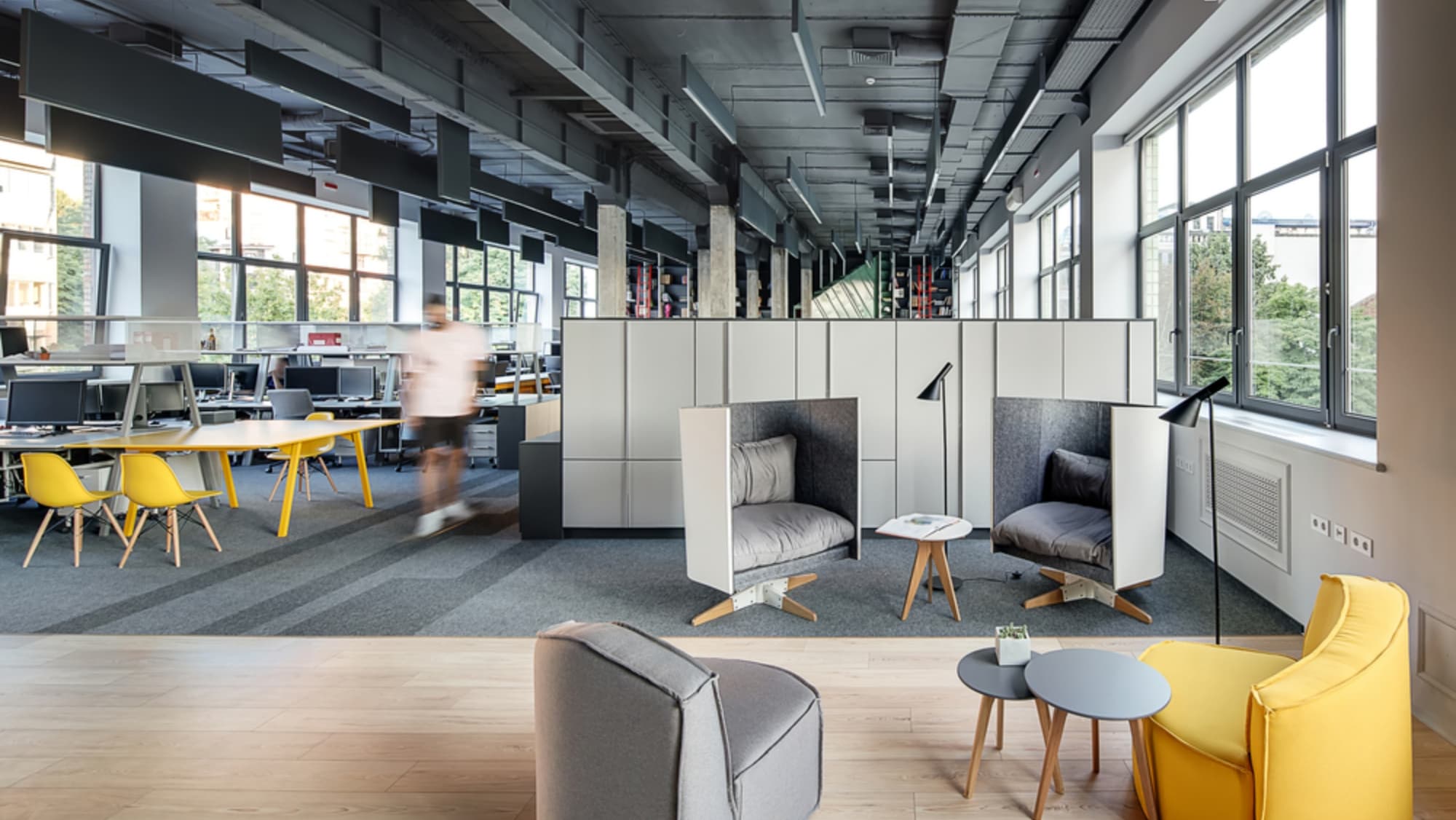
Real estate workplace design strategies — once focused on traditional, fixed office setups — are now shifting towards more flexible designs
Credit to xt44, Shutterstock.jpg
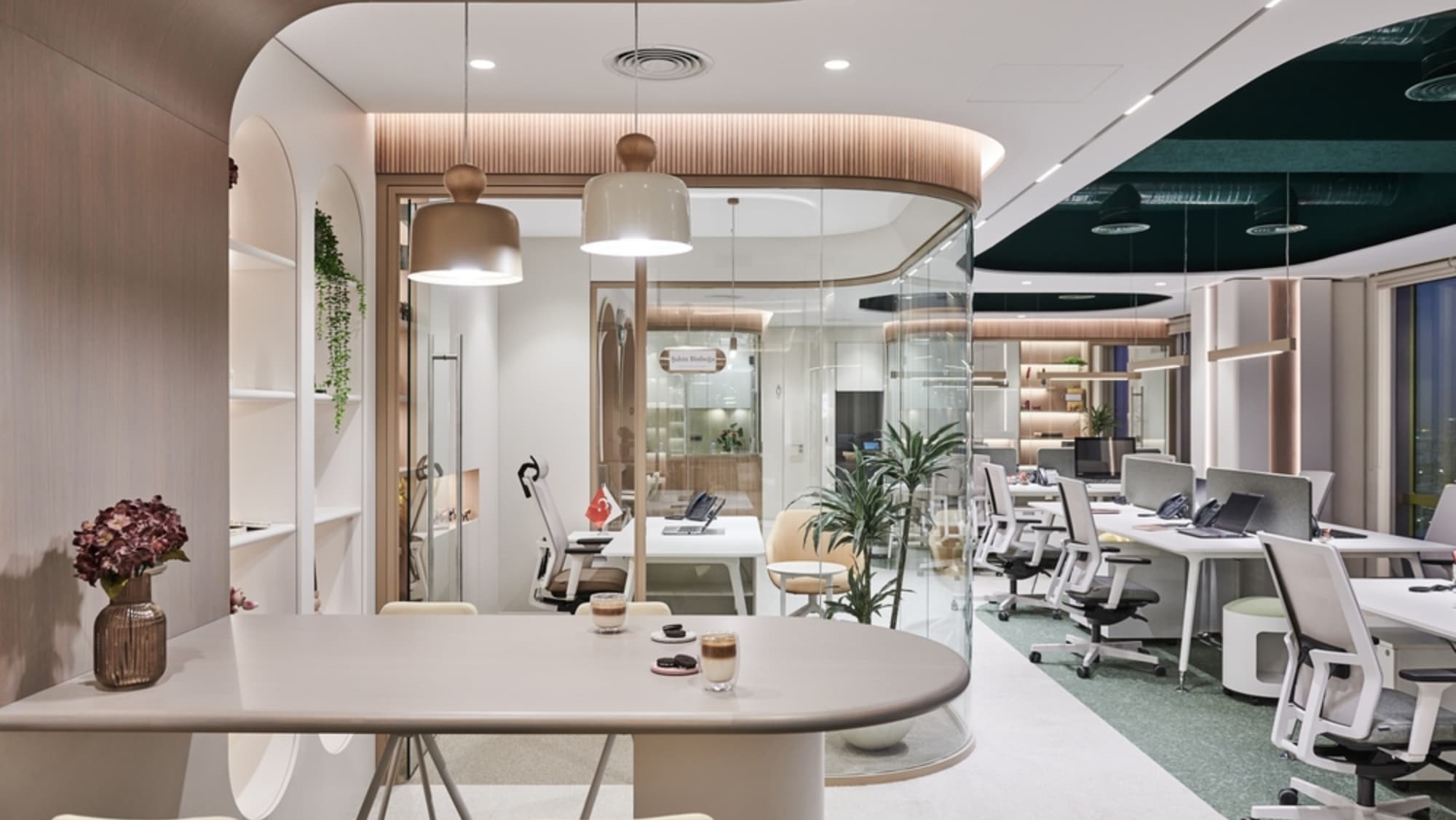
There used to be a singular idea of what a workplace looked like: a single-location office where employees clocked in and out. But the pandemic ushered in a significant change. Many employees now prefer a work environment that offers greater flexibility, fosters collaboration, and helps them stay productive.
At the 2024 PropertyGuru Asia Real Estate Summit, the panel discussion “Culture, Communities, and Spaces That Shape Us,” moderated by Wendy McEwan, Vice President of Transformation at PropertyGuru Group, brought together wellness, real estate, and communications experts. The discussion focused on the evolving expectations around workspaces and how these are influencing the way people work.
Reevaluating the role of the traditional office
Chelsea Perino, Managing Director of Global Communications at The Executive Centre, noted that the pandemic caused a permanent shift in people’s perception of workspaces.
“The pre-pandemic workspace model was binary — employees had a desk and went to the office every day. Post-pandemic, people started to ask more probing questions about the ideal workplace: ‘Where do I work best? What do I need to do my best work?”
This change in perception led companies to consider whether their current office setups are still effective as spaces for connection, collaboration, and creativity.
Designing workspaces to create a sense of community
The panel also talked about designing workspaces to create a sense of community. Some panelists said that while remote work allows considerable flexibility in workers’ schedules, it can also make them feel disconnected, particularly freelancers, digital nomads, and solo entrepreneurs.
Alex Bentley, a Bangkok-based content creator, stated that co-living and co-working environments are helping to bridge this gap. “Shared environments create opportunities for organic connections; they facilitate conversations that do not happen in scheduled Zoom calls.”
Well-being as a design imperative
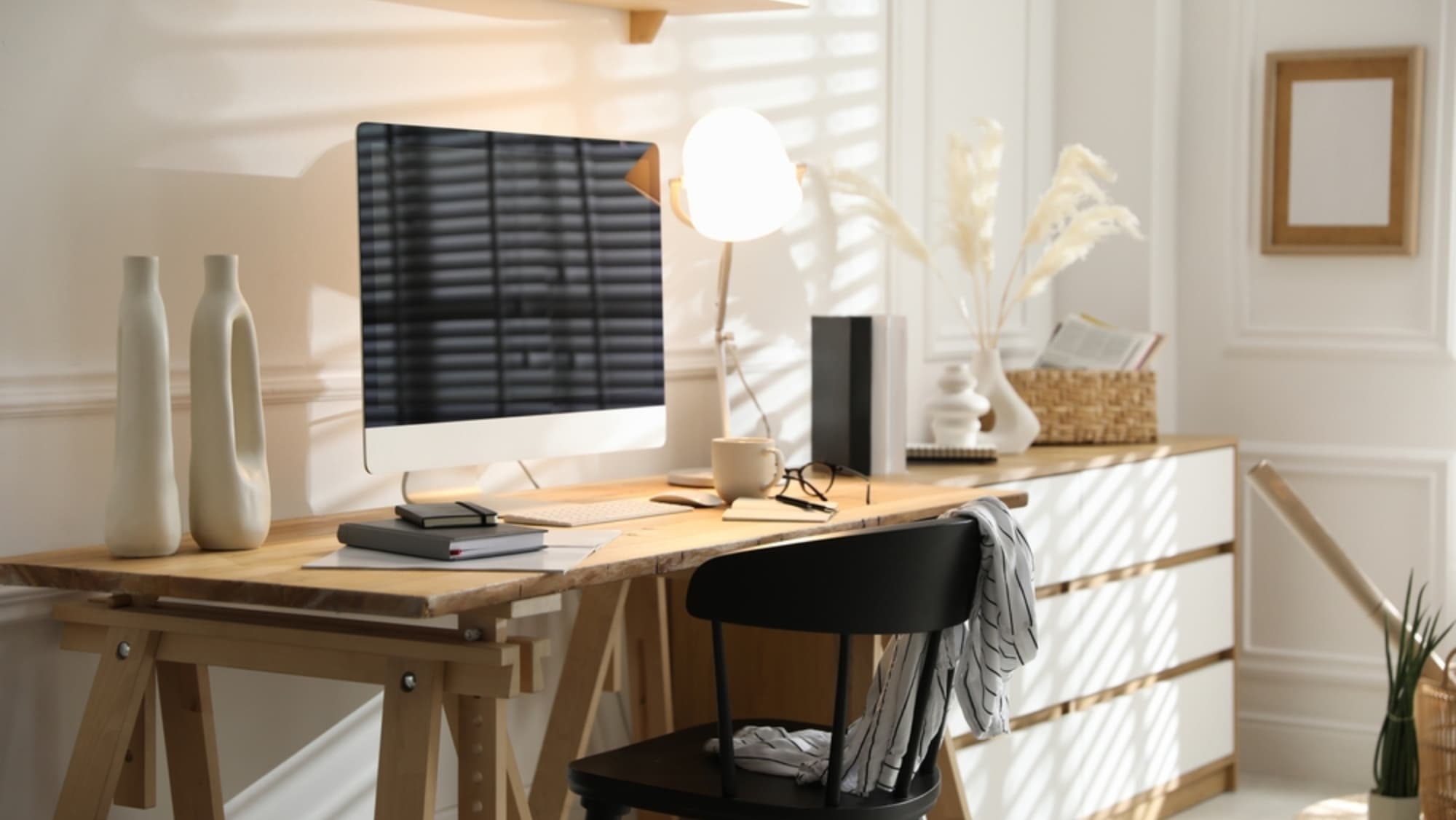
Meanwhile, Michael Jones, certified ergonomist and founder of Pain-Free Me Studio (a posture and mobility wellness centre), stressed the importance of physical comfort and wellness in employees’ performance. According to him, ergonomically designed work equipment and health-focused spaces are key to achieving optimal productivity.
“When people are comfortable, they are more productive. Posture education, flexible furniture, and regular movement are now recognised as contributors to both performance and retention,” he explained.
Jones also advocated for spaces that support people’s different work styles, reduce physical strain, and promote alertness throughout the day.
Where work and home life seamlessly intersect
As the boundaries between the workplace and home continue to blur, the need for mixed-use developments becomes more apparent. Kristin Thorsteins, Head of Development France and Turkey at IHG, pointed out that regulatory requirements in Singapore are driving this trend. She said, that developments in the Central Business District (CBD) are now required to include residential and hospitality components.
“There is growing awareness about the idea that for workplaces to be truly flexible, they must also be accessible. Asking people to commute long distances just so they can use supposedly flexible offices defeats the purpose,” she said
Thorsteins added that hotels have been adopting the concept of living and workspace integration by introducing functional workspaces that accommodate the needs of travelers who combine business and leisure.
Credit to bezikus, Shutterstock.jpg
Flexibility as strategy
The panelists also discussed how making workspaces flexible, which used to be optional, has become a crucial real estate design strategy.
Perino added that this shift has even led Grade A landlords to approach The Executive Centre, a workplace solutions provider, to incorporate flexible models into their portfolios.
Organisational culture’s influence on workspaces
The panel strongly agreed that office design and corporate real estate decisions should be based on organisational culture.
“Some companies embraced flexibility during the pandemic but are now reversing that stance. Others, like Airbnb, have made remote work a core part of how they operate.”
Perino added, “You can build a beautiful office, but unless you can explain why it exists and how it supports your people, it will not fulfill its purpose.”
Designing spaces that reflect company values, support collaboration, and promote employee well-being is no longer optional but a business imperative.
The necessity of human-centred designs
The discussion closed on a clear note about the future: Workplaces must be designed to meet people’s needs and not just around processes or productivity objectives. Developers must therefore consider comfort, culture, and connectivity as core pillars of real estate success.
The moderator concluded that the most successful developments are those that prioritise community- building and people’s experience.
As the nature of work continues to evolve, those who are responsible for designing work environments must keep pace. That means turning offices into hubs for interaction and innovation. Developers and organisations that embrace this change will be in the best position to thrive in the years ahead.
Credit to New Africa, Shutterstock.jpg
This article was originally published in ARES White Paper Volume 4. For more information, visit AsiaRealEstateSummit.com or email [email protected].
Recommended

ARES Whitepaper Volume 4: Powering communities – The catalysts of urban evolution
Fresh perspectives on sustainability, lifestyle, and design shaping the future of real estate
ARES White Paper Volume 3: The era of adaptive reinvention
Pioneering sustainable and innovative practices in urban development
ARES White Paper Volume 2: Unravelling the power of data revolution in real estate
Insights on proptech, smart cities, and sustainable development
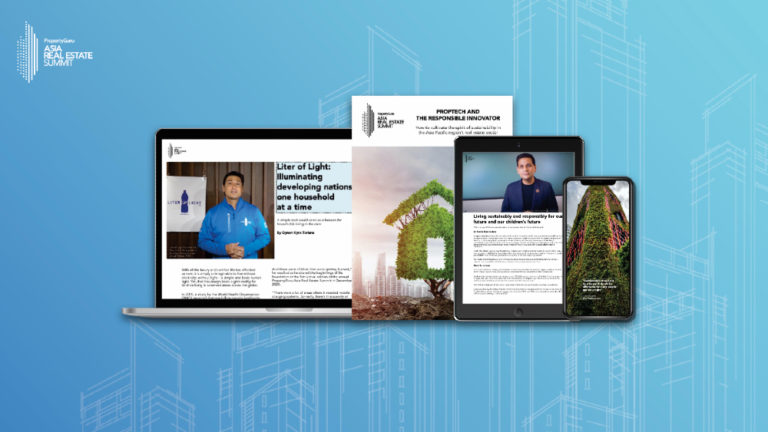
ARES Digital White Paper Volume 1: The fundamentals of responsible building
Green and climate heroes join forces to discuss how Asia Pacific can weather the current environmental crises and the looming effects of climate change