Is luxury dead or has it simply evolved into something else?
It might not be dead, but it has certainly gone quiet
“Luxury is dead.”
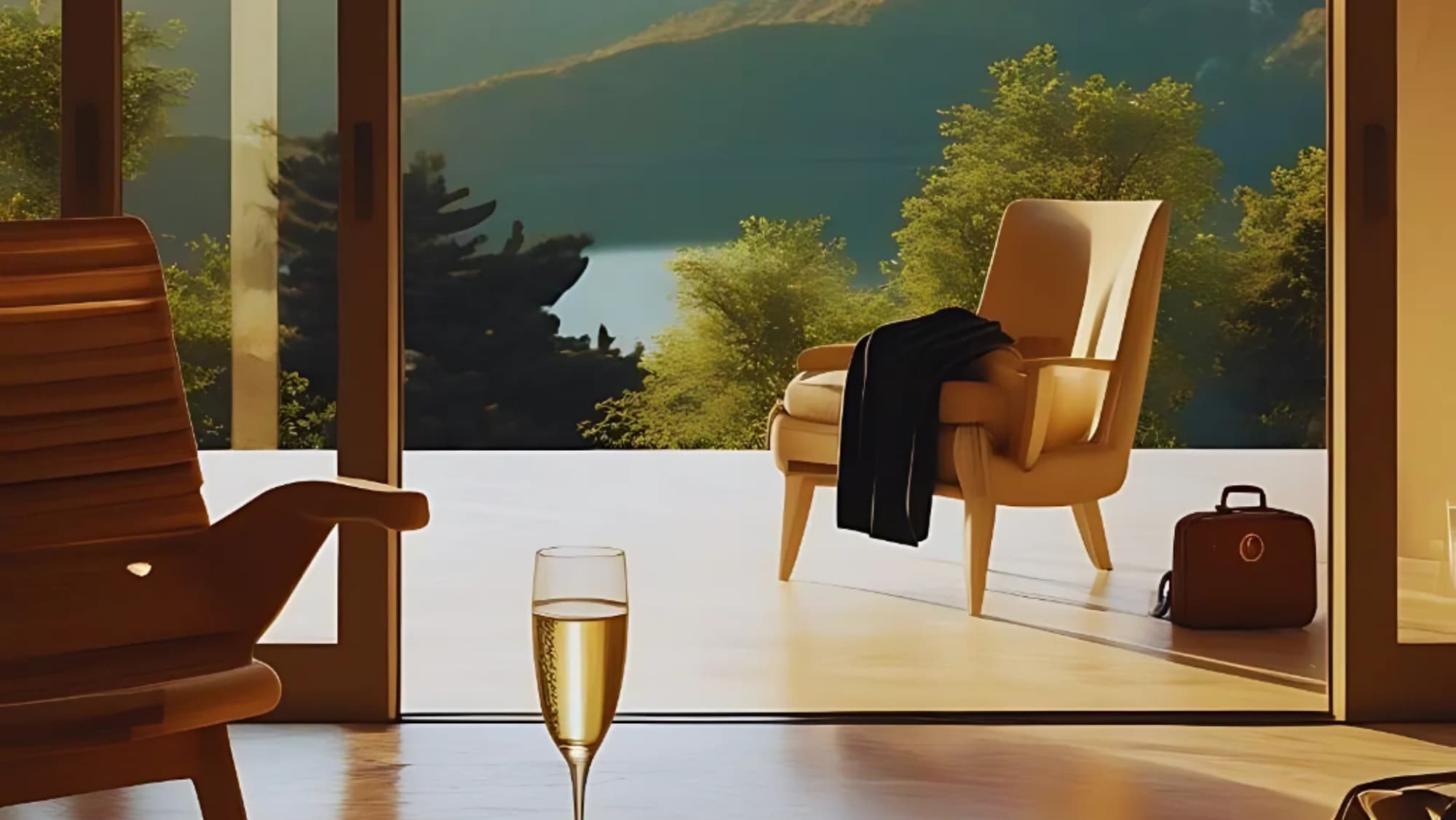
These three words caused quite a stir at a recent trade event I attended. The statement was delivered with firm conviction by one of the most prominent luxury leisure experts I know. With decades of polished, urbane sophistication, the expert was clearly not interested in entertaining notions of “redefining,” “recreating,” or any future-focused buzzwords surrounding luxury.
I am supposed to write about “redefining luxury living” for this white paper, but it has been an arduous task. When I took a quick scroll through LinkedIn, I found yet another luxury pundit criticising the concept of “redefining luxury.” According to the expert, it seemed as absurd as a Rimowa suitcase stuffed with knockoff items. And no, this does not refer to the cheaper Rimowas, but the aluminium ones that dent if you throw them off the third floor of your condo.
Luxury defined and redefined
So, I have come to a conclusion: To redefine luxury, I must first understand its actual definition. According to a random Google search, luxury is defined as “the state of great comfort and extravagant living.” For me, great comfort is a black shirt and shorts, yet no one has ever accused me of being a luxury maven.
My quest for a deeper understanding of luxury remains unfulfilled, but here is my take on all the tirades against luxury living: We live in a world of customisation, and our value systems have evolved. The outdated idea of luxury living — characterised by white linen, unsmiling yet attentive servitude, and sprawling spaces designed for aimless wandering in search of the nearest exit — is a thing of the past. And thank God for that.
Today, luxury has transitioned from being exclusive to being inclusive. It is no longer about getting away from it all, but about engaging with the world and being social. Take travel, for instance. The Aman hotel chain, once frequented by the so-called Aman junkies, catered to those seeking solitary moments and disconnection from technology, offering mediocre food and a strict British India-inspired dress code. Today, however, the rich are embracing technology, fine cuisine, and immersive, exotic experiences.
Luxury is now split into two distinct paths: the aspirational, brand-conscious path, and the path of the truly rich who aspire to healthier lifestyles, different values, and more meaningful connections.
Credit to Edvard Nalbantjan, Shutterstock.jpg
It is about quality, not square footage
In real estate, space still represents luxury, but its value today is more about where that space is located and how it is used. Subtle yet significant shifts towards sustainability, active living, and social spaces designed for sharing meals, conversations, and multi-generational living are making a comeback. Is this shift a result of the post-COVID-19 era, or is it simply the natural outcome of excess indulgence?
Take alcohol consumption, for example. The trend towards drinking less is real; luxury is no longer defined by endless bottles of champagne. A similar pattern can be observed in the world of automotive collecting, where vintage cars and electric vehicles have emerged as everyday, practical transport even for the truly wealthy. These illustrate that while the top end of the market has become more grounded, the yearning for the exotic still exists — although it is no longer flaunted in your face.
True luxury is global but quietly private
What does all of this mean for luxury real estate?
Property buyers today are now more likely to collect global real estate and less inclined to settle in one place for long periods. While they still value quality and brand prestige, they are increasingly drawn to limited editions, niche products, and a globalised lifestyle.
Conspicuous consumption, often associated with luxury lifestyles, has found a home in global playgrounds such as Dubai and Miami, where it thrives. But in a parallel universe, true luxury remains a one percent equation — smaller, more elite, and self-fulfilling than most people realise. Everything else is just surface-level gloss designed to gain likes on Instagram.
Ultimately, true luxury still comes with a price tag. If you want luxury, be prepared to pay for it. This age-old idiom is just as relevant today as it was a decade or a century ago: if you have to ask how much something costs, you are probably not part of the demographic that can afford it. Sorry, but luxury is not dead; it is simply hiding away somewhere very private.

Credit to QQuynh, Shutterstock.jpg
This article was originally published in ARES White Paper Volume 4. For more information, visit AsiaRealEstateSummit.com or email [email protected].
Recommended

ARES Whitepaper Volume 4: Powering communities – The catalysts of urban evolution
Fresh perspectives on sustainability, lifestyle, and design shaping the future of real estate
ARES White Paper Volume 3: The era of adaptive reinvention
Pioneering sustainable and innovative practices in urban development

ARES White Paper Volume 2: Unravelling the power of data revolution in real estate
Insights on proptech, smart cities, and sustainable development
ARES Digital White Paper Volume 1: The fundamentals of responsible building
Green and climate heroes join forces to discuss how Asia Pacific can weather the current environmental crises and the looming effects of climate change