Architecture for the next generation: Why cities need purpose-driven spaces
To create meaningful impact, developers must put people, adaptive planning, and material innovation at the heart of the design process
Credit to seaonweb, Shutterstock.jpg
The way we think about architectural design was once driven primarily by technical considerations that do not always directly impact people’s lives. In recent years, the design focus has been leaning towards what spaces can and should do for the people who use them.
This was the subject of a fascinating discussion at the PropertyGuru Asia Real Estate Summit 2024. At the summit, a panel consisting of architects, designers, and developers discussed how spatial design can respond to some of today’s most pressing urban challenges, while also addressing changing lifestyles and diverse cultural identities.
Placemaking as cultural expression
During the discussion, the role of placemaking — or an approach to urban design that prioritises people’s need for community and well-being over structures — was a central focus. The panel talked about it as both a practical tool for urban planning and a means to reflect the character of a community.
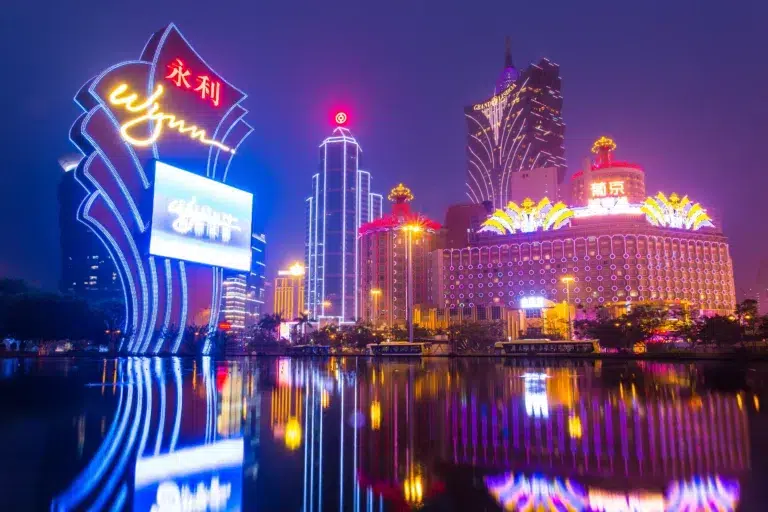
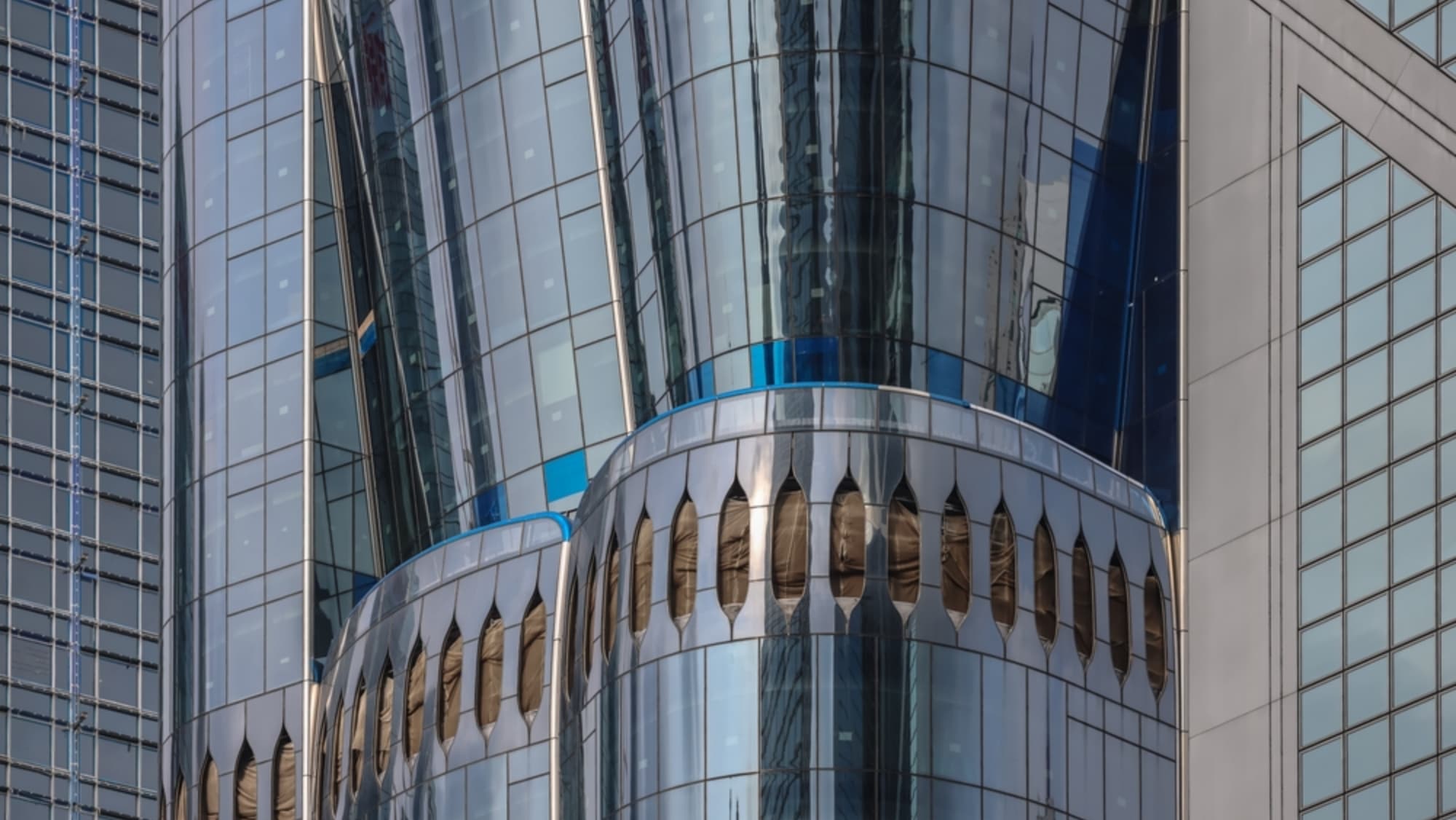
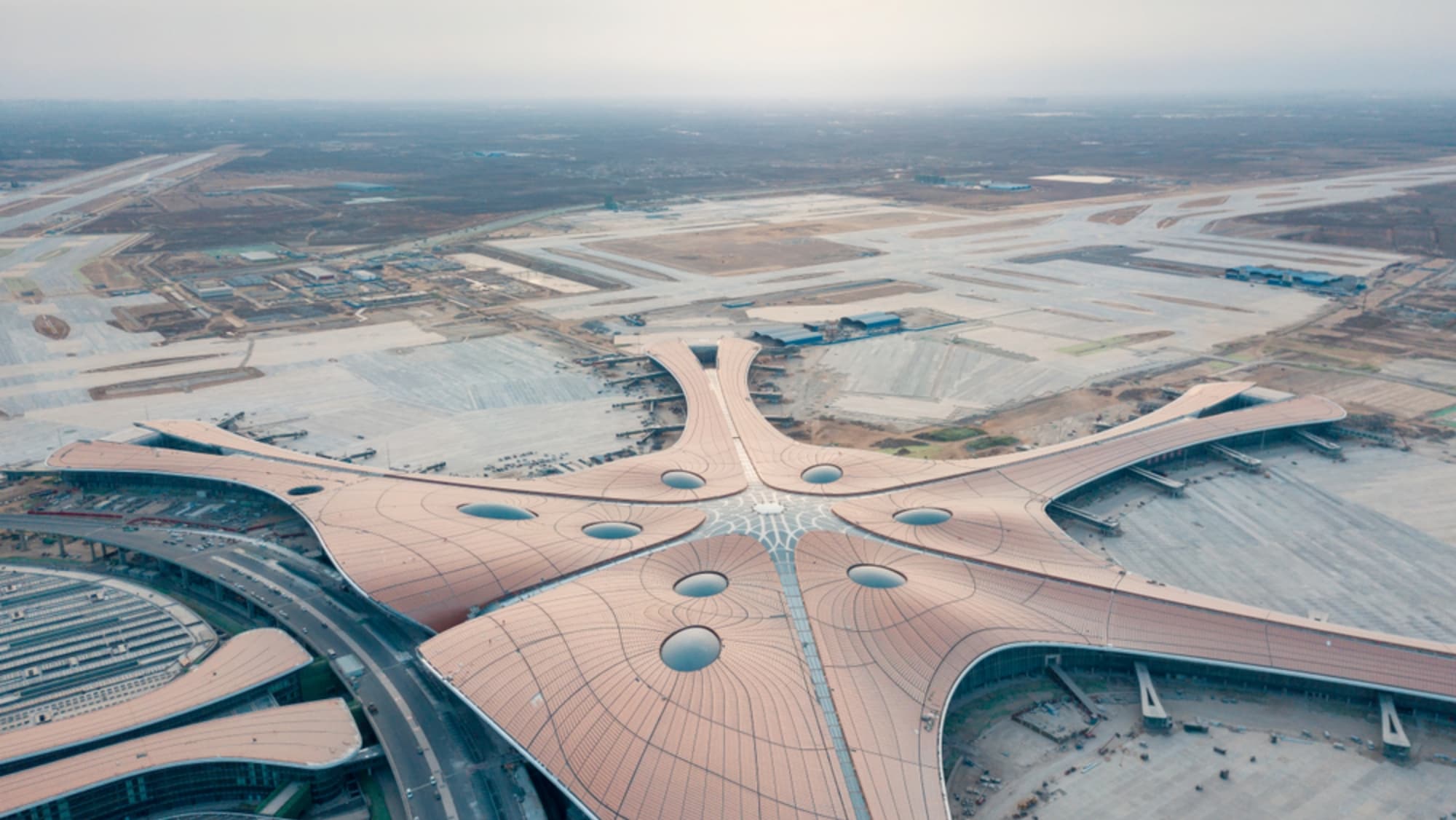
Shao-wei Huang of Zaha Hadid Architects shared how their Henderson Tower project in Hong Kong was designed to preserve the city’s identity by integrating its symbolic flower into the tower’s form. Similarly, their Beijing Daxing Airport project uses mythological references to root the architecture in national identity.
Shao-wei argued that every structure should contribute to preserving its environment’s cultural identity and serve the people who inhabit it.
Credit to lazy dragon, Shutterstock.jpg
Nature as a design foundation
For some architects, nature serves as both inspiration and a core design component.
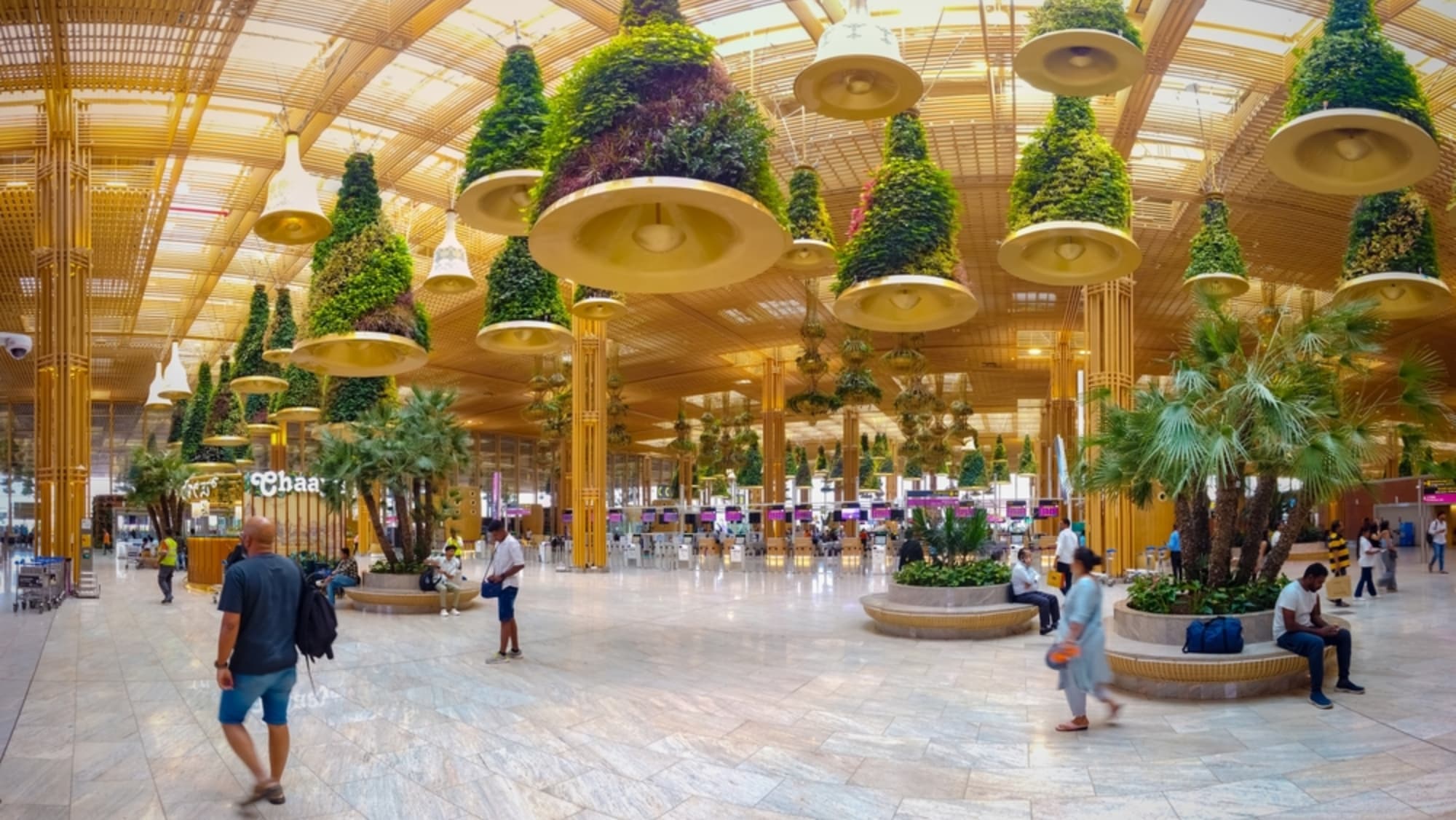
Patrick Keane, Founder of Enter Projects Asia, described how his team brings nature into architecture using materials such as rattan and bamboo. For instance, their work on the Bangalore Airport project involved transforming high-traffic public spaces into calming, nature-inspired environments.
“We wanted people to feel they were in a garden, not an airport,” said Keane. It’s also worth noting that their Project Rattan initiative supports local craft industries.
Stephen Pimbley, Founder of SPARK Architects and panel moderator, echoed the idea of nature as a core design element. He added that architecture should go beyond visual appeal and that the way a space feels — both in the physical and emotional sense — is critical to creating a sense of connection.

Credit to KOTOIMAGES, Shutterstock.jpg
Designing for generations rather than broad demographics
To build on the discussion, Jessica Bianca Sy, Vice President at SMDC, emphasised the importance of long-term thinking in real estate development.
“We are not just designing for the next decade — we are planning for the next 50 years,” she said. This planning entails gearing up for population growth, the impacts of climate change, and varying urban lifestyles.
Sy noted that SMDC incorporates adaptability into its developments, including provisions for vertical expansion and retrofitting. She also cautioned against mass-market design strategies that result in bland, impersonal environments.
“Catering to every single demographic often leads to bland designs. We need to design for how people actually live, not just for broad demographic categories,” she added.
Compact living, considerable potential
Another key theme in the discussion was the concept of compact living and how it can lead to more sustainable lifestyles.
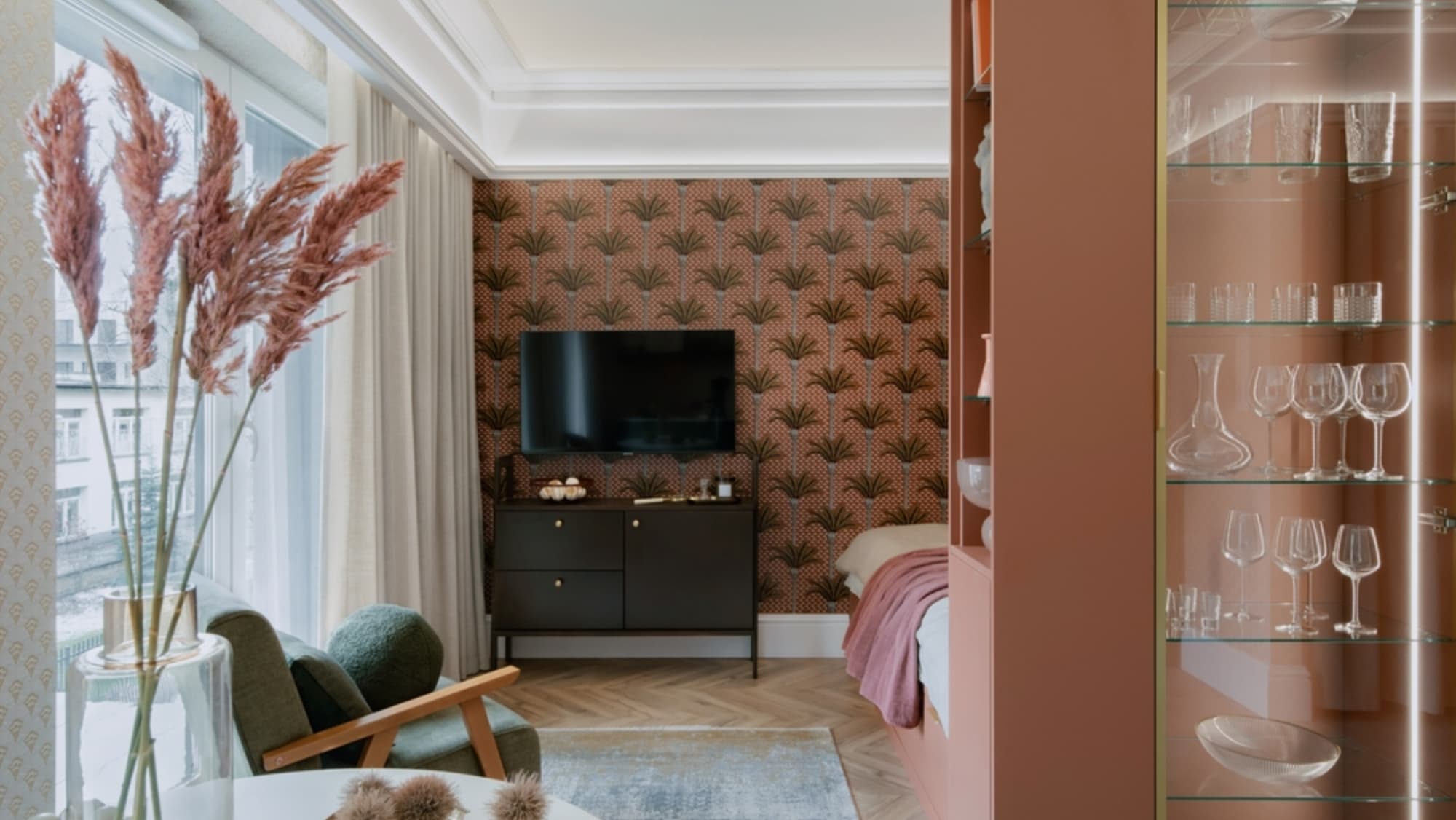
Colin Chee, Founder of Never Too Small, championed the efficiency and sustainability of compact living. He argued that reducing physical space encourages more mindful consumption and better design.
“Living with a smaller footprint forces people to think carefully about what they need,” he said.
Chee advocated for more innovation in micro-apartments, especially those that are under 50 square metres. Flexible partitions, modular layouts, and culturally attuned design features, such as entryways that preserve privacy, are becoming increasingly important.
Pimbley added that compact living must also be supported by strong public infrastructure, where streets, parks, and communal areas create opportunities for interaction and connection.
Credit to followtheflow, Shutterstock.jpg
Innovating with a human focus
The panel also discussed the role of artificial intelligence (AI) in shaping urban development. While the speakers acknowledged that technology offers powerful new tools, they warned against allowing efficiency to replace empathy in design.
“AI can support data and modelling, but we must stay focused on the people we are designing for,” Sy noted.
Thien Duong of GSA Vietnam added that the most liveable cities are those that support natural human interaction. Sidewalks, plazas, and neighbourhood spaces should prioritise walkability, social contact, and accessibility.
Building on Duong’s point, Pimbley shared how older European cities, such as Barcelona or Paris, were designed with pedestrians in mind. He challenged developers to return to this scale and mindset, including in fast-growing Asian cities.
Credit to Srinivasan, Shutterstock.jpg
Building with purpose
Designing for impact means creating spaces that are built to last, flexible in function, and meaningful to the people who use them.
Pimbley concluded that architecture should not only be functional and visually compelling; it should also inspire a sense of identity and encourage future innovation.
Asia’s rapid urban growth presents a pivotal opportunity. The challenge is no longer how much we build, but how wisely and meaningfully we shape the places we call home.

Credit to HAKINMHAN, Shutterstock.jpg
This article was originally published in ARES White Paper Volume 4. For more information, visit AsiaRealEstateSummit.com or email [email protected].
Recommended

ARES Whitepaper Volume 4: Powering communities – The catalysts of urban evolution
Fresh perspectives on sustainability, lifestyle, and design shaping the future of real estate
ARES White Paper Volume 3: The era of adaptive reinvention
Pioneering sustainable and innovative practices in urban development

ARES White Paper Volume 2: Unravelling the power of data revolution in real estate
Insights on proptech, smart cities, and sustainable development
ARES Digital White Paper Volume 1: The fundamentals of responsible building
Green and climate heroes join forces to discuss how Asia Pacific can weather the current environmental crises and the looming effects of climate change