Embracing human-centricity is a potential path for the future of work culture and design
When work culture and workplace design are in harmony, organisations can create an environment where people thrive and are the main driver of success
An increasing number of organisations are adopting the concept of human-centricity by creating environments that prioritise the well-being and empowerment of their employees. Interestingly, this has not always been the case.
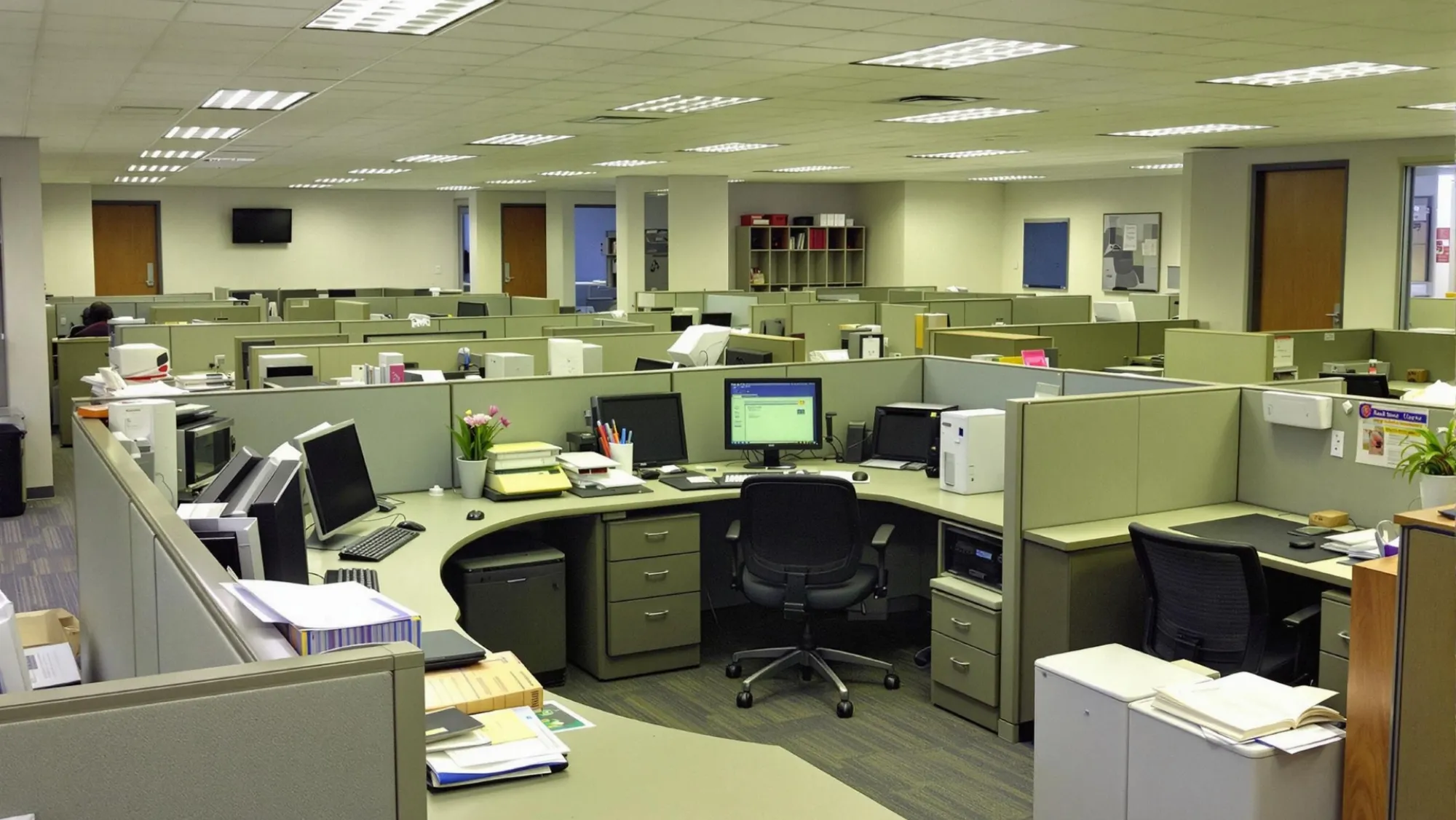
Until recently, workplace cultures were defined by rigid hierarchies, strict schedules, and an emphasis on individual productivity. Employees were expected to work from a designated office, with limited flexibility in terms of remote work or flexible hours.
Unsurprisingly, the evolution of workplace design follows a similar pattern. Cubicles, closed offices, and formal meeting rooms were prevalent in office layouts until the early 2000s. Even then, only a few tech businesses were experimenting with their office layouts. However, as companies began to realise the impact of physical space on employee well-being and productivity, they started to shift towards more open, collaborative, and innovative designs.
New era, new ways of working
The COVID-19 pandemic served as a catalyst for change, prompting a widespread transition to remote work. Organisations had to quickly adapt to new ways of operating, with a focus on communication, flexibility, and empathy during this challenging period.
Companies that embraced remote work were able to successfully maintain a strong sense of community and support for their employees, even in virtual settings. This period also drove the adoption of hybrid work models, with spaces designed to accommodate both in-person and remote collaboration. The focus on creating flexible spaces that promote employee health and comfort became paramount.
A people-first work culture
Few would argue that a work culture with a strong emphasis on employee well-being, empowerment, and inclusivity is a bad thing. It is a culture that recognises employees as the heart of any organisation whose needs and experiences should be carefully considered. Recognising how, when, and where individuals work best creates a strong sense of belonging within the organisation, which, in turn, helps foster loyalty and commitment.
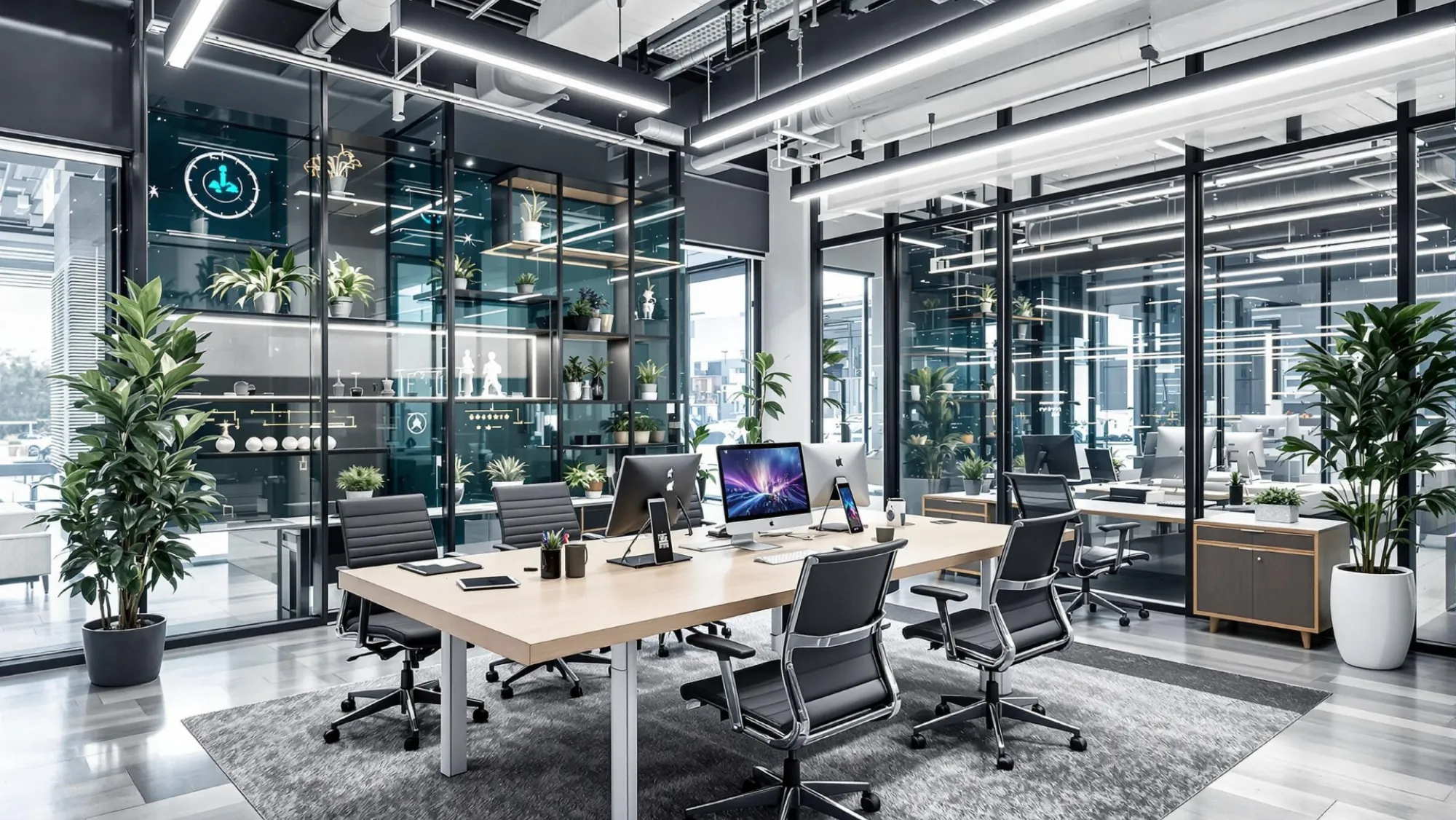
This focus on people does not stop at culture; it must extend to the physical environment. A people-first work culture should align with human-centric workplace design. For instance, by incorporating elements such as greenery and natural light, workplaces can promote well-being and productivity. Additionally, adopting ergonomic furniture improves employees’ comfort and supports their health. These seemingly small yet impactful details play a crucial role in creating a holistic and positive employee experience.
Unfortunately, many organisations are opting to revert to pre-COVID policies that remove much of that trust-based thinking. For instance, companies such as Google and Apple have implemented return-to-office work plans, citing the benefits of face-to-face collaboration. CEO Jamie Dimon of JPMorgan Chase famously said in an internal memo, “We know that some of you prefer a hybrid schedule and respectfully understand that not everyone will agree with this decision. Being together greatly enhances mentoring, learning, brainstorming, and getting things done.”
While the reasoning behind such decisions may seem logical, is a mandated return to the office really the best approach?
The intersection of work culture and workplace design
The true power of human-centricity comes from combining a culture of trust and empowerment with a workplace design that supports both productivity and individual needs. When these elements align, organisations create environments that reflect their values and enhance employee engagement and satisfaction.
A workplace that aims for greater transparency and collaboration can be reinforced by using an open office layout that encourages interaction and idea-sharing. Similarly, a focus on creativity and innovation can be supported by developing flexible workspaces that adapt to different tasks and employee preferences.
When employees feel valued, supported, and trusted, they are more likely to perform at their best and remain loyal to the organisation. Organisations that embrace the philosophy of human-centricity are well-positioned to attract top talent and nurture and retain their most valuable asset — their people. As we look towards the future of work, we must continue to care for the well-being of employees and consider whether the workplace design truly supports them. The goal is to shape a future where the office is not just a place, but a space where we feel connected and empowered to do our best work.
This article was originally published in ARES White Paper Volume 4. For more information, visit AsiaRealEstateSummit.com or email [email protected].
Recommended

ARES Whitepaper Volume 4: Powering communities – The catalysts of urban evolution
Fresh perspectives on sustainability, lifestyle, and design shaping the future of real estate
ARES White Paper Volume 3: The era of adaptive reinvention
Pioneering sustainable and innovative practices in urban development

ARES White Paper Volume 2: Unravelling the power of data revolution in real estate
Insights on proptech, smart cities, and sustainable development
ARES Digital White Paper Volume 1: The fundamentals of responsible building
Green and climate heroes join forces to discuss how Asia Pacific can weather the current environmental crises and the looming effects of climate change