Shaping the aspirations of future cities: Global perspectives for a holistic approach to sustainable development in the Asia Pacific region
Every year, the world adds new buildings equivalent to 10 to 20 times the total building area of Singapore; nearly 70 percent of this growth occurs in Asia

Having served as the Chairperson of the Asia Real Estate Summit (ARES) for the past five years, I am thrilled to present this white paper, based on our landmark 10th Summit. We welcomed hundreds of delegates, including industry leaders, innovators, visionaries, and investors from across the Asia Pacific region and beyond.
Through ARES, we have spent the past five years driving innovation, data revolution, adaptive reinvention, and community empowerment, bringing us to this crucial juncture. The decisions we make today shape the future of our cities in the coming decades.
Global dynamics shaping our future
Several key dynamics are influencing our industry and the development of communities and cities worldwide.
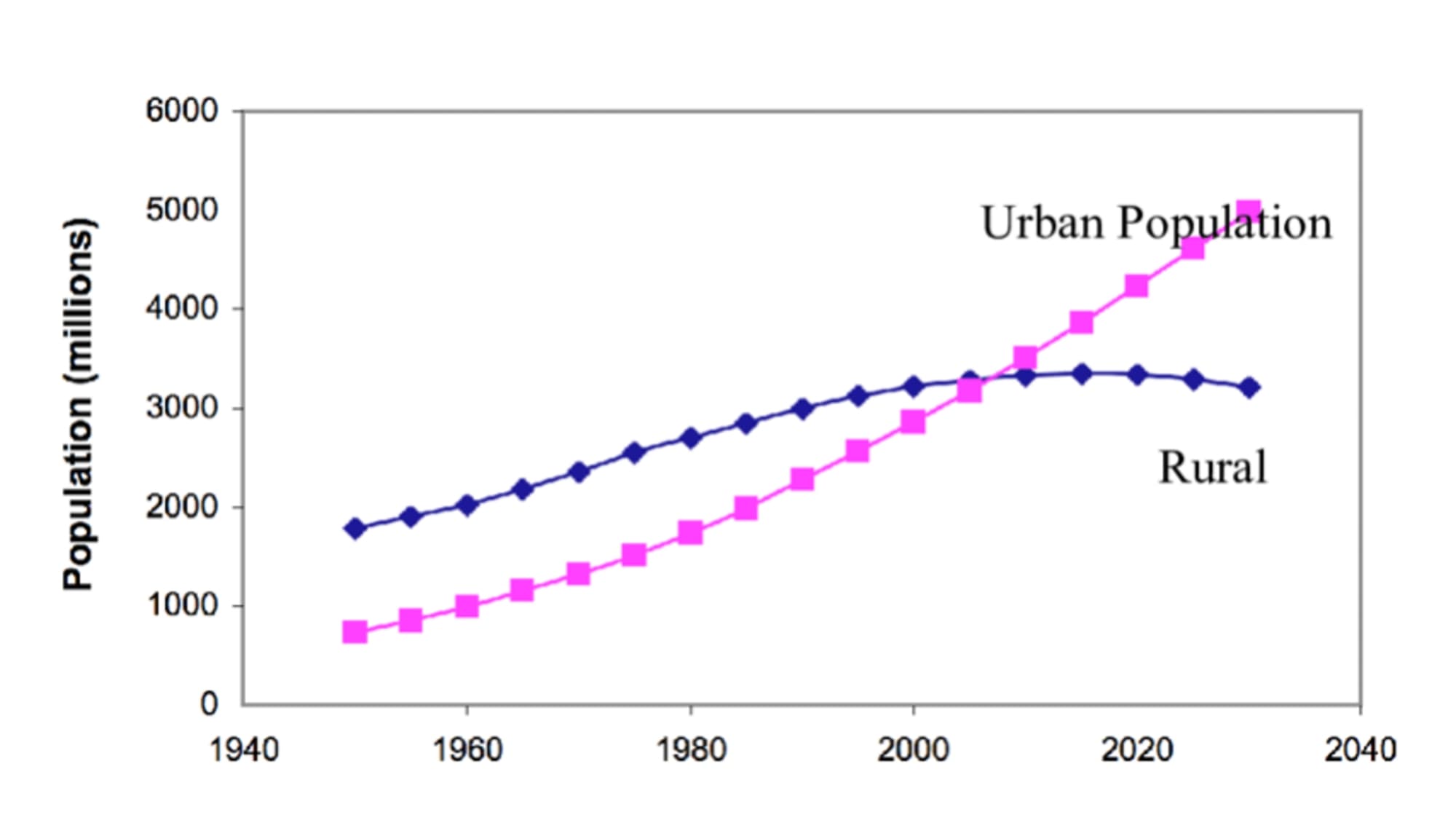
In 2005, a pivotal moment occurred: More people began living in urban environments than in rural areas. This shift has only accelerated, leading to even greater movement between cities, regions, and nations.
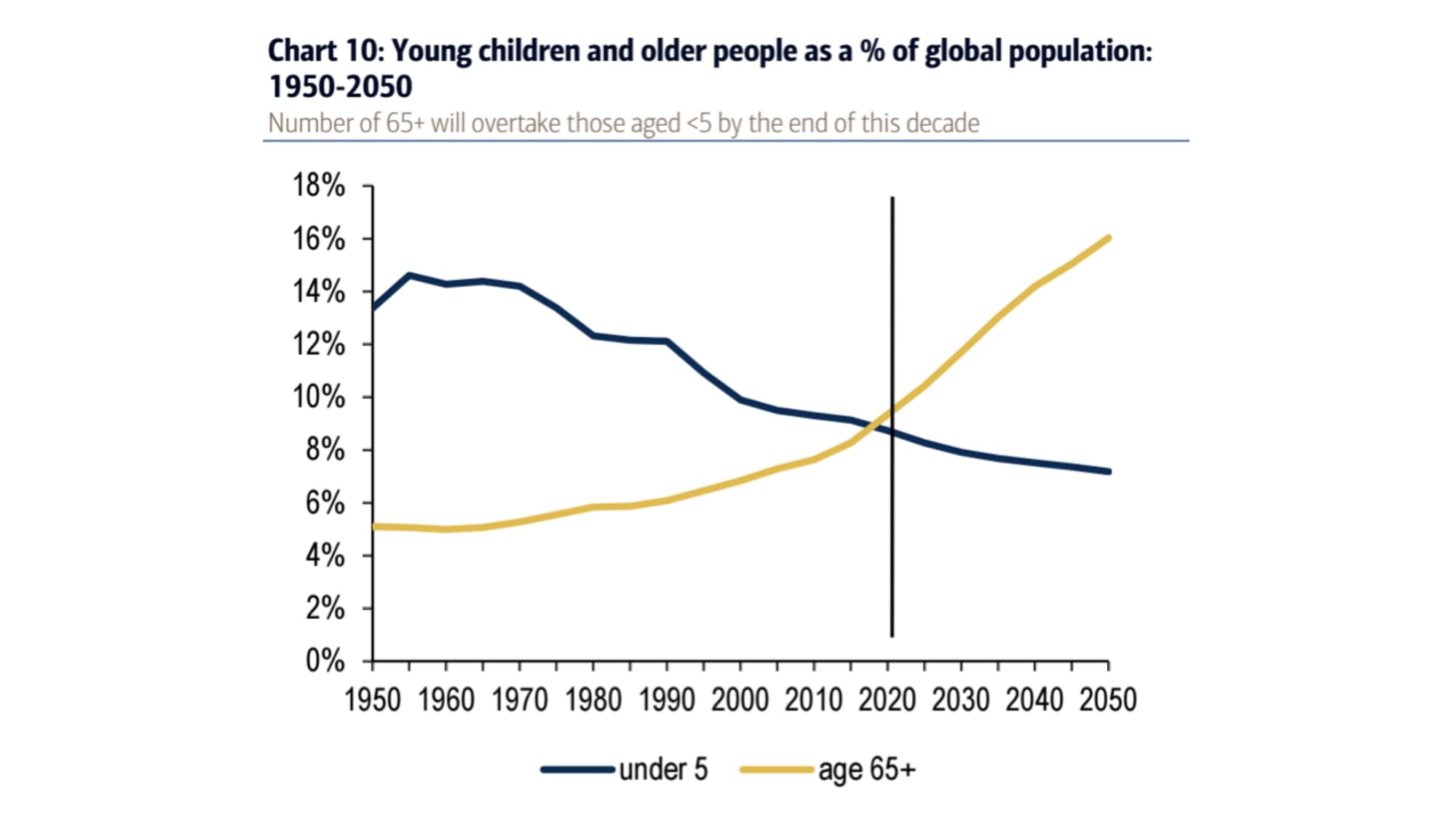
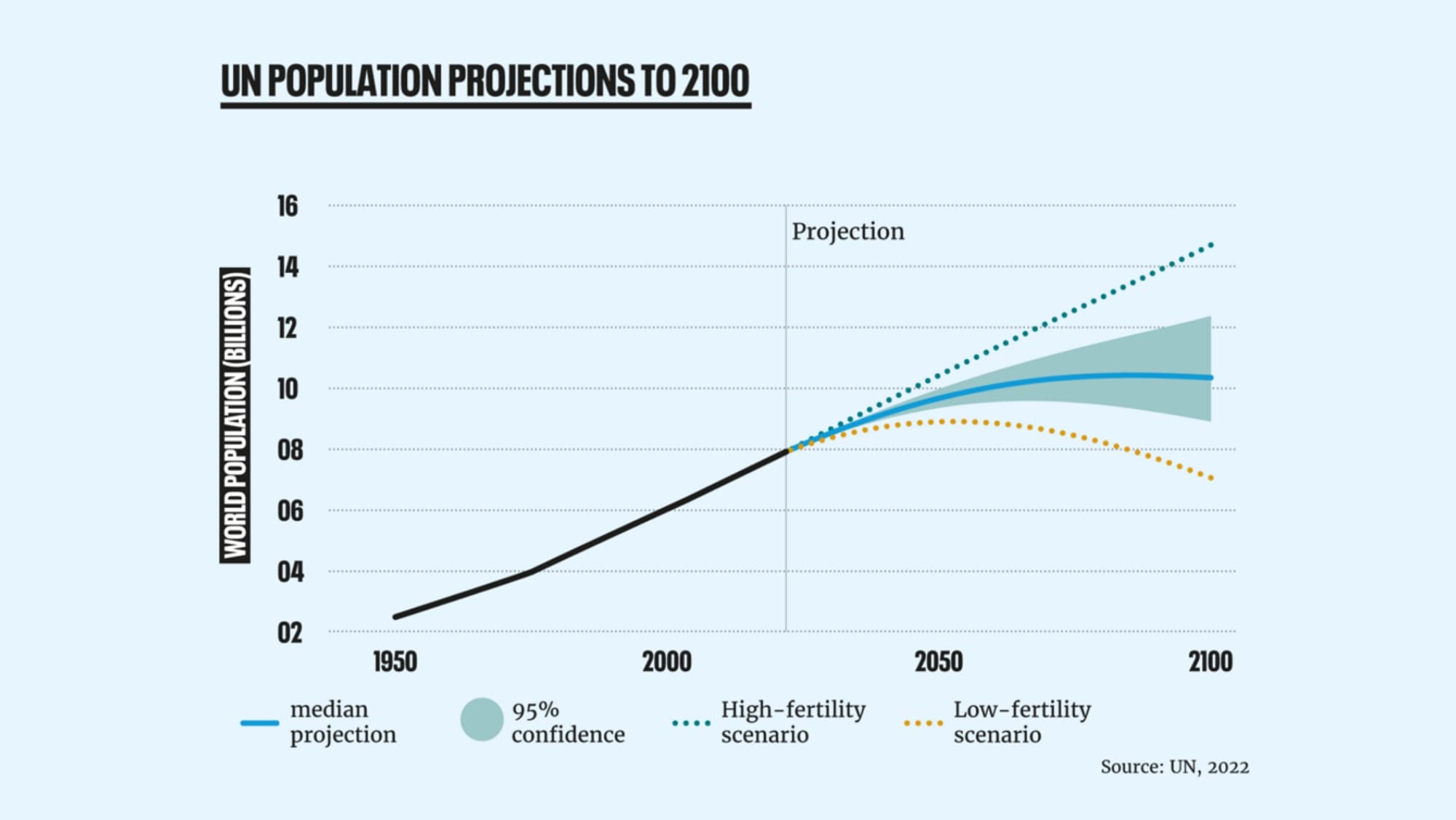
However, with ageing populations and declining birth rates, we must reshape our cities to make sure they remain liveable, affordable, and full of opportunities.


Migration patterns are evolving, with Asia attracting more migrants than ever before. This is why we must create inclusive communities that embrace diversity, maximise equality, fairness, and liveability for all.

At the same time, the demand for real estate is surging. Global building square footage is expected to double by 2050, primarily in Asia.
Embracing value-driven development
While learning from the past is important, we need to let go of antiquated processes and mindsets.

A critical shift is moving from cost-based thinking to a value-driven one. By considering the broader impact of our decisions, we can create developments that generate immediate and lasting value.
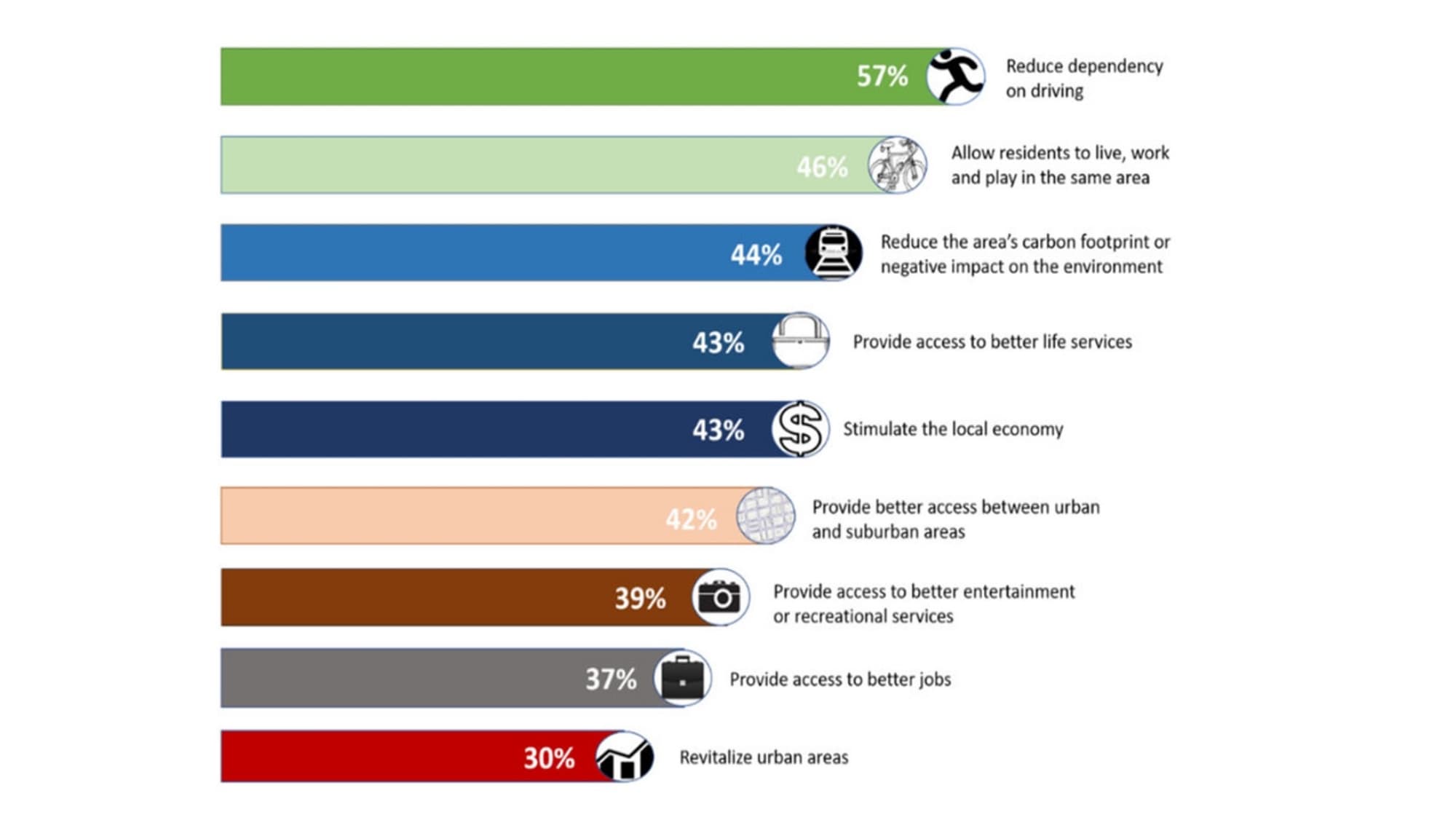
A holistic approach involves thinking more broadly. For example, transit-oriented development (TOD) has long been recognised as a key value driver in real estate. However, TOD is just one relatively small element of a larger strategy for adding long-term value — we need to think in broader terms. Furthermore, when viewed holistically, TOD encompasses more factors and benefits than just the six or nine ways often cited. This emphasises the need for deeper thinking.
Aligning with global goals

The guidance we need for our collective future is already around us; all we need to do is channel these goals into every project with focus and efficiency
The 17 United Nations Sustainable Development Goals (SDGs) provide a roadmap for creating a more sustainable and equitable world.
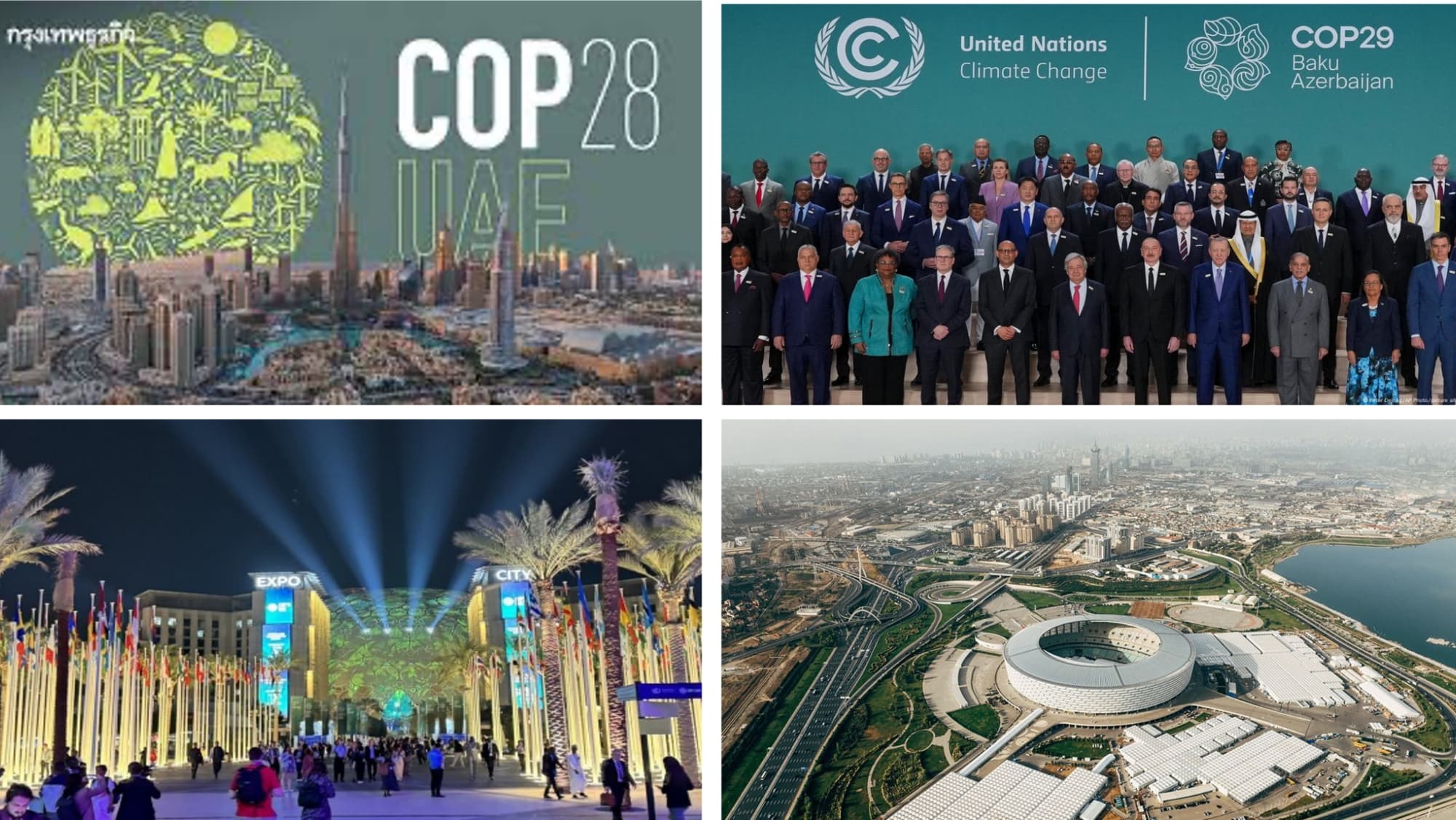
Our efforts contribute to this global movement towards sustainability. By working together and learning from initiatives, such as COP28 and COP29, and by aligning our projects with these SDGs and other existing frameworks, we can unlock new opportunities for achieving immediate value.
In doing so, we can make a lasting impact on the lives of millions. The existing processes, reporting, and benchmarking must be used as a guide for every decision on every project.
Illustrating success: Case studies in holistic urban development
I have been personally involved with the following projects that incorporated value management (VM) processes and achieved outstanding, balanced, and sustainable outcomes. The processes involved in these projects did not require additional time or costs when applying a holistic VM approach.
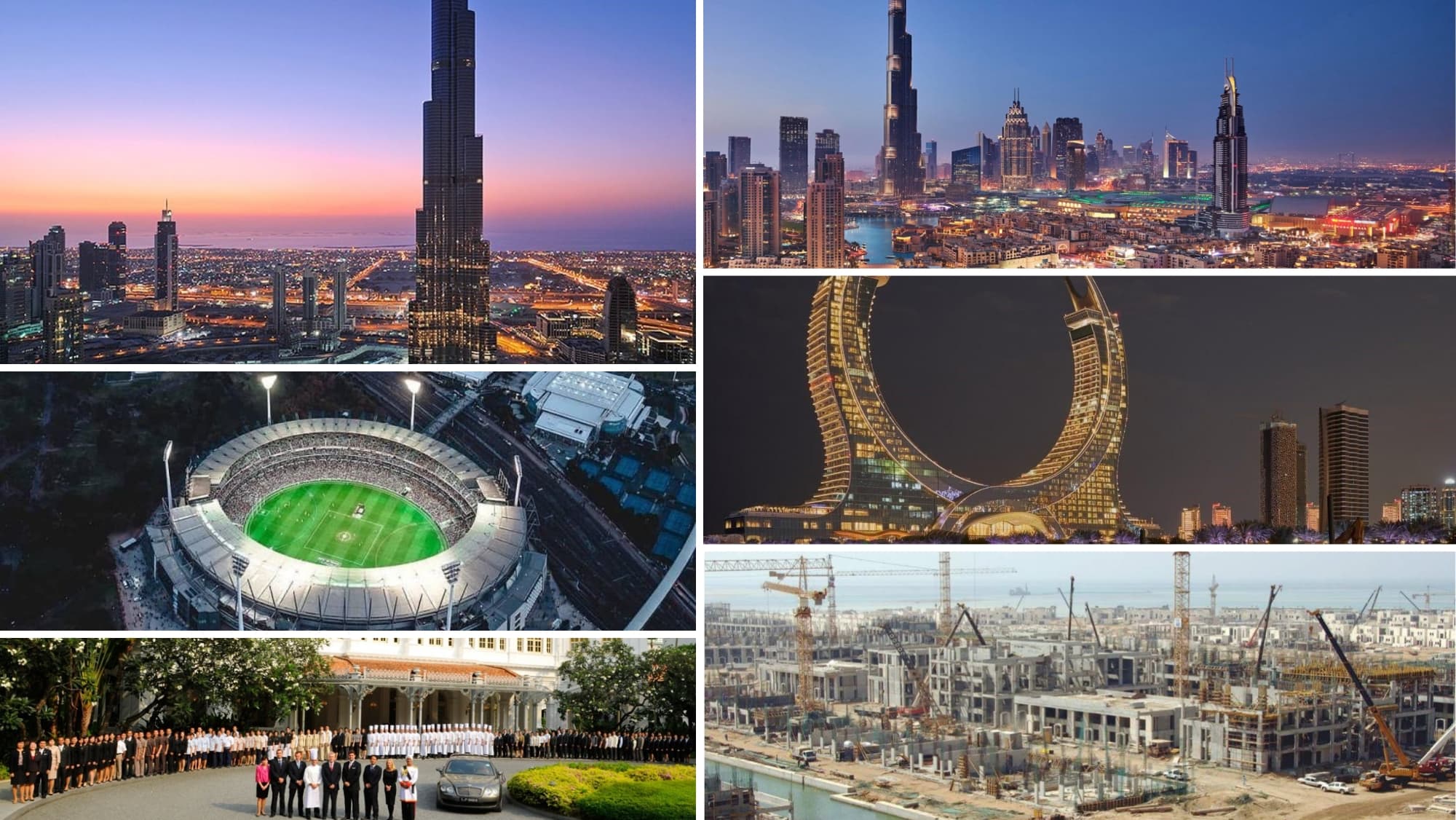
1. Burj Khalifa and Downtown Dubai
The VM approach maintained capital cost neutrality, while reducing ongoing operational costs and delivering the following benefits:
- The project broke new ground, changed mindsets, supported elevated benchmarks in the region (energy, water, materials, etc.), and attained LEED Gold certification.
- It changed the lives of the approximately 100,000 people who live and work within the development by enhancing walkability, cultural attractions, and public transportation. Additionally, it contributes USD1.5 billion annually to Dubai’s GDP and has raised the bar for liveability and urban expectations in the region.
- The project remains a symbol of modern Dubai, fostering community pride and reinforcing the city’s status as a premier destination to visit and live.
- From day one, the Burj Khalifa and Downtown Dubai developments have delivered positive impacts across all four sustainability pillars — environment, human, social, and economic — and continue to do so.
- The project met cost and timeline expectations — an exceptional achievement for what was, and still is, the tallest building in the world.
2. Internal Security Force (ISF) Camp, Doha
Even though the project was already fully planned — with most of the 385 buildings designed and construction of some infrastructure and buildings underway — we still achieved significant improvements. These included a USD1 billion savings (approximately 20 percent), reduced operational costs, and the following enhancements:
- Extensive environmental benefits, including optimised materials use, energy efficiency, water management, and biodiversity conservation; achieving a GSAS 4-Star rating (the local green building certification); and pioneering district-level sustainability in the country.
- Expanded the project beyond its planned military functions to include additional spaces for education, art, music, recreation, social activities, and community engagement, all while achieving the cost savings outlined above.
3. Katara Twin Towers
The project achieved significant milestones including:
- Strong capital cost and operational cost control
- Timely delivery for the FIFA World Cup 2022, while ensuring the project remains an iconic landmark in Qatar for decades to come.
- Becoming Qatar’s first hospitality project to receive a GSAS 5-Star rating for excellence in energy efficiency, water conservation, materials use, and waste management.
4. AAMI Park, Melbourne
The project delivered these enhancements
- Expanded seating capacity by 20 percent with less than a two percent cost increase,
while incorporating enhanced outcomes, including:- A strong focus on energy efficiency, contributing to a 47 percent reduction in overall
energy consumption and the removal of 815 tonnes of CO2 annually. - Enhanced materials use, water conservation, and waste management.
- Greatly improved amenities, sightlines, and profitability.
- A strong focus on energy efficiency, contributing to a 47 percent reduction in overall
5. Raffles Hotel Singapore
The project achieved capital cost savings while maintaining the hotel’s iconic and luxury status and profitability. Moreover, it integrated modern sustainability practices into a heritage building, including energy efficiency, water efficiency, enhanced biodiversity, and excellent waste management practices, covering materials, food sourcing, and packaging
These examples show that with holistic and VM processes, we can simultaneously address environmental, social, economic, and cultural sustainability while achieving significant economic benefits.
Evolving values and challenges
“Price is what you pay; value is what you get.” Yet, too often, processes, priorities, and actions do not reflect this principle. We simply must adapt.

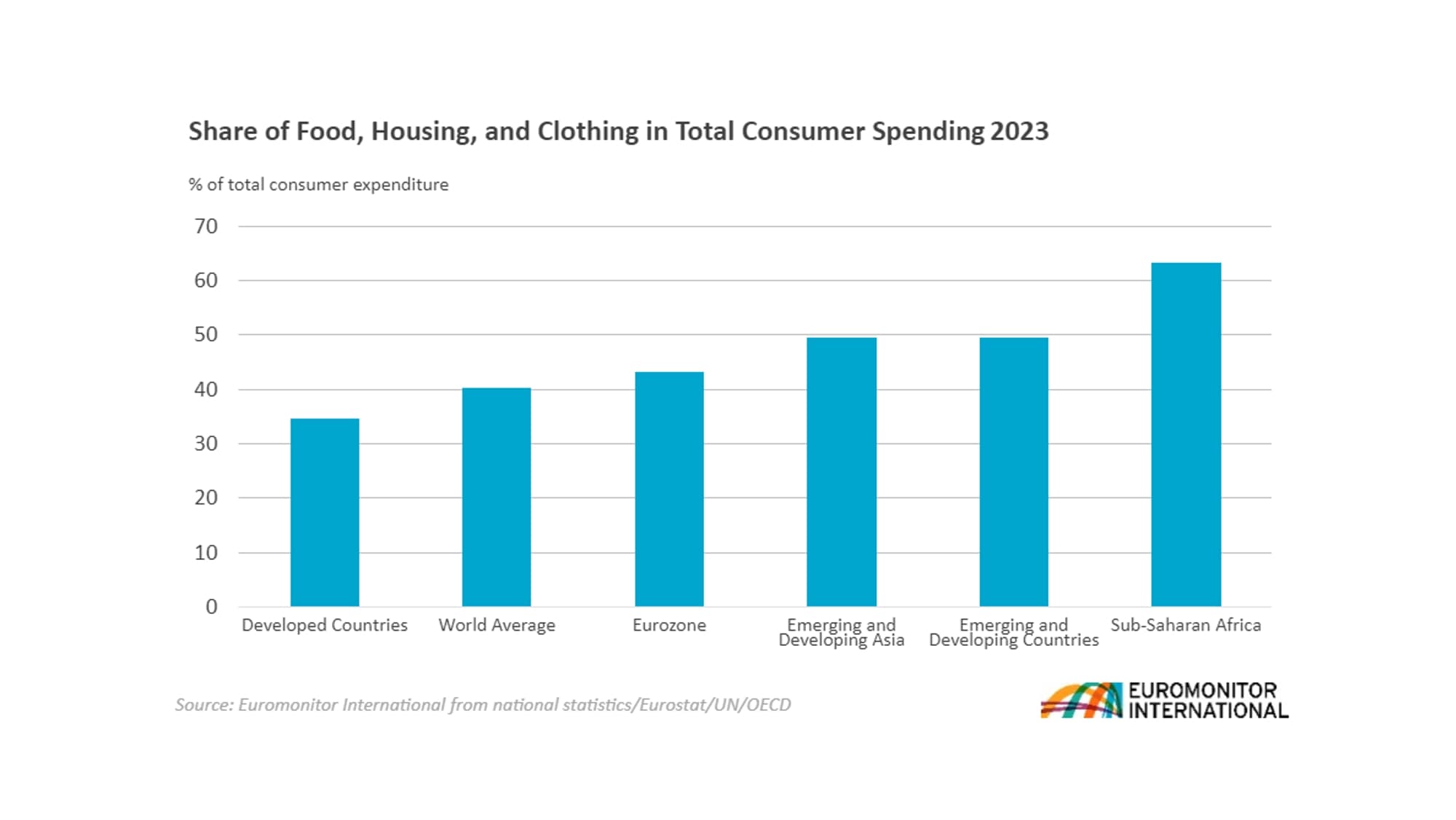
One of the most pressing challenges today is housing affordability. As the largest expense for individuals and families, housing plays a crucial role in creating inclusive cities.
Leveraging technology for sustainable development
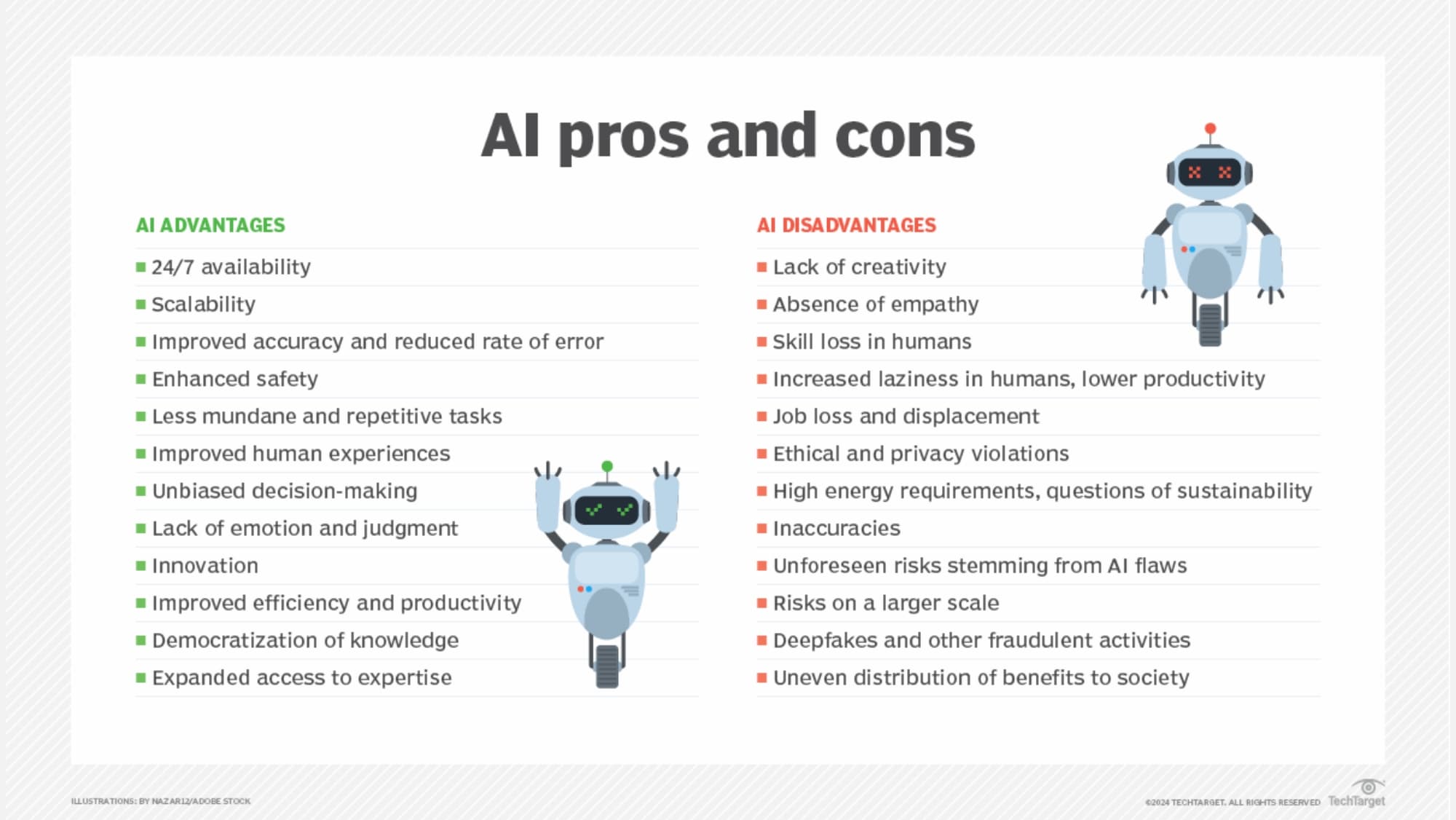
Technology is advancing even faster than predicted. AI and other emerging technologies highlight the importance of holistic outcomes, and they provide a pathway to achieve them.
Creating holistic value
As the saying goes, “We do not inherit the Earth from our ancestors; we borrow it from our children.” Holistic value is not something we create; it already exists. Our role is to recognise, capture, and maximise it through thoughtful processes and strategies.
Achieving lower costs now and building lasting value
A core message of this white paper is that financial profitability can align seamlessly with sustainability objectives. To borrow from a familiar adage, “Profit is like oxygen — necessary for survival, but not the ultimate purpose of life.” Profitability and cash flow are the lifeblood of every organisation; without them, delivering the lasting positive changes required for true sustainability would be impossible.
By adopting comprehensive and strategic approaches, we can cultivate genuinely sustainable cities
that benefit all communities. The notion that sustainable practices are too costly is incorrect. This
white paper shows how a value-first mindset can save time, reduce costs, and drive immediate profitability.
Together, we can build cities that not only navigate the challenges of tomorrow but also exceed the aspirations of today. We look forward to exploring outcomes and supporting further progress at ARES 2025.
This article was originally published in ARES White Paper Volume 4. For more information, visit AsiaRealEstateSummit.com or email [email protected].
Recommended

ARES Whitepaper Volume 4: Powering communities – The catalysts of urban evolution
Fresh perspectives on sustainability, lifestyle, and design shaping the future of real estate
ARES White Paper Volume 3: The era of adaptive reinvention
Pioneering sustainable and innovative practices in urban development
ARES White Paper Volume 2: Unravelling the power of data revolution in real estate
Insights on proptech, smart cities, and sustainable development
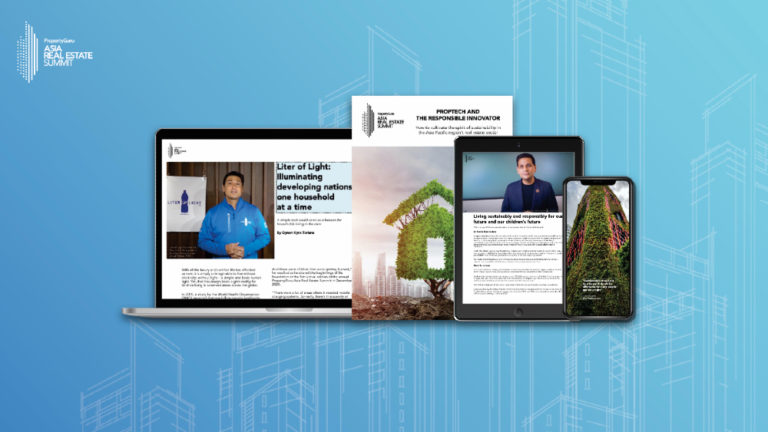
ARES Digital White Paper Volume 1: The fundamentals of responsible building
Green and climate heroes join forces to discuss how Asia Pacific can weather the current environmental crises and the looming effects of climate change