South Asia’s property markets edge back from the brink
After years of turmoil—from political upheavals to a pandemic and debt defaults—South Asia’s real estate sectors are stirring back to life, buoyed by reform and renewed investor confidence
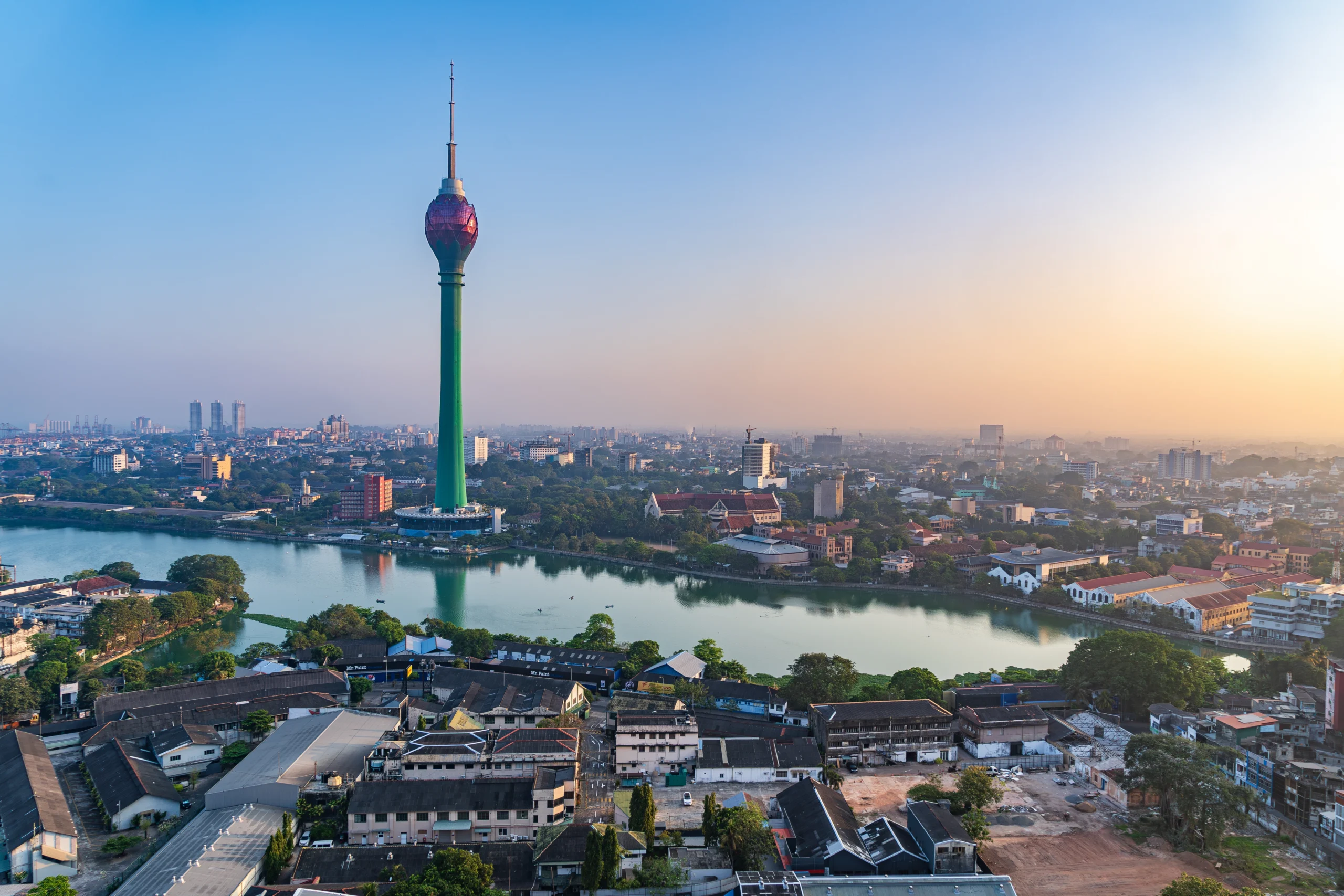
For a while, it seemed their hold on Sri Lankan politics would never break. For two decades, the Rajapaksa brothers, Mahinda and Gotabaya, ruled the South Asian island with their hands firmly on the levers of power. Then, in 2022, it all came crashing down.
After a string of blunders and a tanking economy, protesters stormed Gotabaya’s official residence and forced him to flee. No image captured the moment better than jubilant citizens splashing in his swimming pool while he escaped the country by plane.
Relief swept through a population weary of corruption, mismanagement, and entitlement among the ruling elite. Yet the sense of victory was quickly tempered by crisis. Alongside an economic meltdown came political instability. Tourism had already collapsed during the pandemic, and prices of food and fuel soared as Russia’s war in Ukraine upended global supply chains. A series of reckless policy decisions—selling off foreign-exchange reserves to prop up the currency, borrowing heavily for grandiose infrastructure projects, and slashing taxes—left the economy exposed and on the brink.
The property sector was among the hardest hit. Investors ran short of cash, materials became expensive, and construction was stalled by Covid-era restrictions. The Colombo Land and Development Company, developer of Liberty Plaza mall, described the market as “static as investors adopted a wait-and-watch mode,” while the National Construction Association reported that two-thirds of projects were suspended due to high costs and fuel shortages.
Related: India’s housing market shifts to luxury as affordable segment contracts
“Due to the pandemic and the present economic crisis, many contractors found it difficult to proceed because of import restrictions, inflation, foreign-exchange shortages, and transportation issues,” noted a study by industry experts. “Investors are not willing to fund projects in this situation, which has become a huge issue for contractors and clients.”
By mid-2022, confidence had collapsed. “Business confidence is probably at its lowest since I’ve been in business,” says Vish Govindasamy, chairman of the Ceylon Chamber of Commerce. “It’s probably the most difficult time we have faced. But we are resilient.”
Stability began to return after former president Ranil Wickremesinghe secured an IMF bailout worth USD347 million, supported by Chinese debt-relief assurances. His administration embarked on a programme of structural reform—reinstating the Pay-As-You-Earn tax system, raising VAT, privatising underperforming state enterprises, and allowing the rupee to float freely in early 2022.
Momentum is positive and demand is increasing. If interest rates remain stable, we can expect further development over the next year and beyond
According to Nirmal De Silva, CEO of Paramount Realty, those reforms have helped restore faith in the sector. “There is a degree of stability that has returned to the country,” he says. “With interest rates staying low, we’re seeing renewed demand for real estate.” As of October, the Sri Lankan Central Bank’s policy rate stood at 7.75%, the lowest in years.
Colombo remains pricey and land-scarce, but secondary cities such as Kurunegala and Hiriketiya are seeing rising interest. “People are once again looking at residential real estate and freehold land as investments,” says De Silva. “Compared with 18 months ago, momentum is positive and demand is increasing. If interest rates remain stable, we can expect further development over the next year and beyond.”
In 2024, the Rajapaksas attempted to re-enter politics, with Mahinda’s son Namal contesting the presidency. He finished fourth—a result widely seen as symbolic of a new era. “The economy will probably grow around 4% by the end of the year,” says De Silva. “I see good times ahead.”
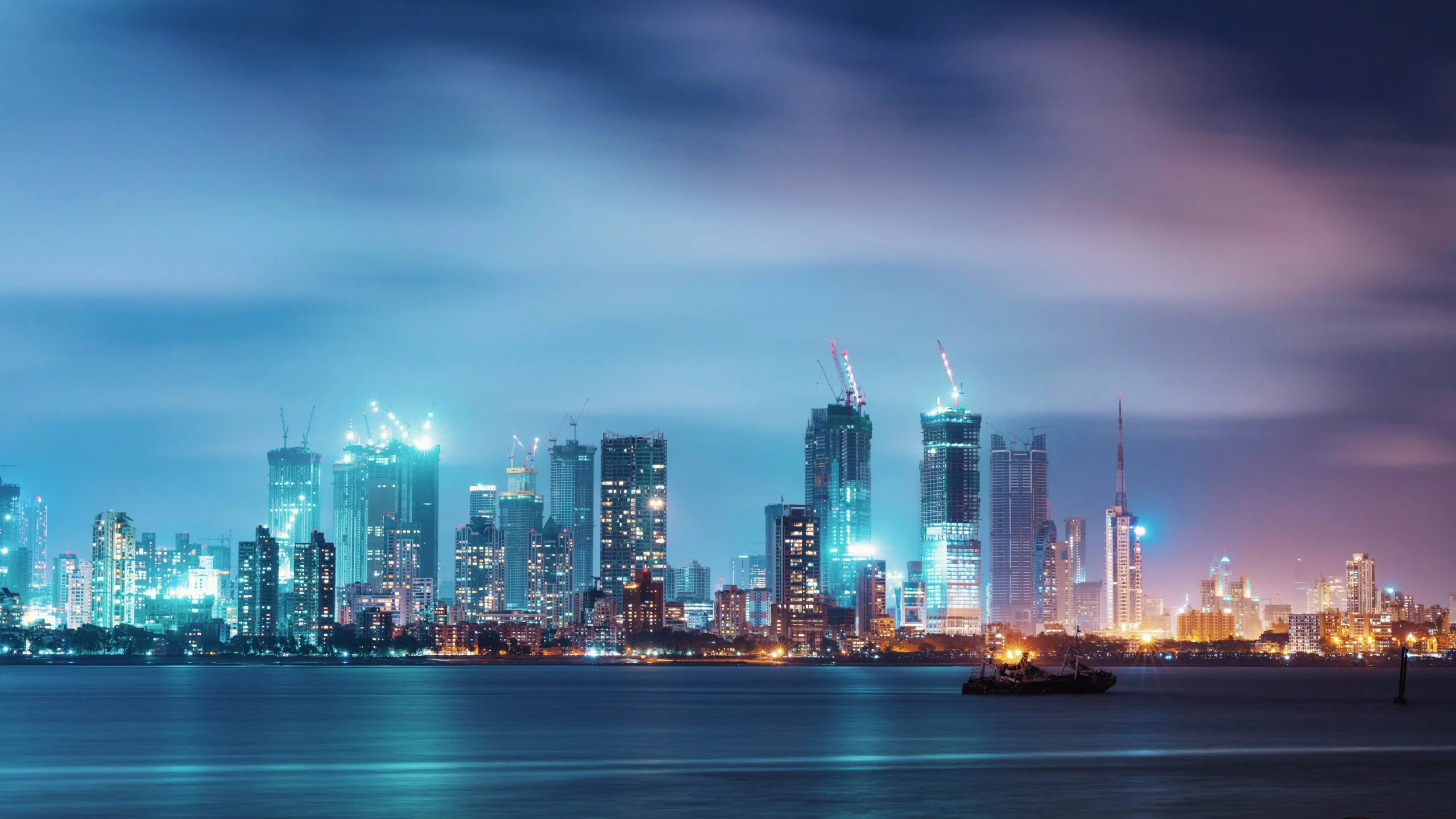
Across the Palk Strait, a different kind of reset was underway. India’s property market, sluggish for much of the last decade, has been regaining momentum since 2021. After the exuberant boom of 2008–2010, developers had vastly overestimated demand, particularly for luxury apartments in cities such as Mumbai, Bengaluru, and Pune. The result was a glut of unsold inventory, falling prices, and a wave of stalled projects.
Between 2013 and 2023, growth slowed as the government introduced sweeping regulations to protect buyers and promote transparency. These reforms—though crucial for long-term stability—temporarily disrupted the sector as developers adjusted to stricter compliance and disclosure norms.
The cooling period was dramatic. In Mumbai, high-end apartment sales fell by 25–30% between 2014 and 2017, according to Knight Frank, while nationwide new project launches declined from over 350,000 units in 2013 to roughly 200,000 by 2018, PropEquity data shows.
Related: Sri Lanka’s property market surges as Colombo land values rise 7.7%
But housing markets are cyclical. “The new cycle started in 2021,” says D. B. Mehta, president-elect of the Confederation of Real Estate Developers’ Associations of India. “I’m 100% confident it will go until 2029. The sharpest and fastest growth usually comes at the end of the cycle, so I expect annual returns of around 15–18%.”
Ajai Kapoor, CEO of 360 Degrees Real Estate Services, agreed that the current phase looks promising. “Unsold inventory across the top cities is broadly stable year-on-year at around 560,000 units, showing neither glut nor shortage,” he says. “Developers are selectively launching more high-value projects and acquiring new sites for the next few quarters.”
India’s urban population is projected to hit 600 million by 2031, a demographic shift that underpins the market’s resilience. Massive infrastructure projects such as the Delhi–Mumbai and Surat–Chennai expressways, along with metro expansions in Jaipur, Pune, Kolkata, and Bengaluru, are expected to open new corridors for housing and commercial development.
With plans and reforms being enacted, the outlook for the industry in Sri Lanka and India looks promising. Premium and ready-to-move-in properties continue to perform especially well, buoyed by strong domestic demand and steady foreign investment. With the wider economy holding firm and consumer confidence improving, India’s property market is firmly in recovery mode—disciplined, transparent, and geared toward long-term sustainability.
The original version of this article appeared in PropertyGuru Property Report Magazine Issue No. 193 on issuu and Magzter. Write to our editors at [email protected].
Recommended

ARES Whitepaper Volume 4: Powering communities – The catalysts of urban evolution
Fresh perspectives on sustainability, lifestyle, and design shaping the future of real estate

ARES White Paper Volume 3: The era of adaptive reinvention
Pioneering sustainable and innovative practices in urban development

ARES White Paper Volume 2: Unravelling the power of data revolution in real estate
Insights on proptech, smart cities, and sustainable development
ARES Digital White Paper Volume 1: The fundamentals of responsible building
Green and climate heroes join forces to discuss how Asia Pacific can weather the current environmental crises and the looming effects of climate change