
What comes next for Southeast Asian real estate in 2026
From return-to-office realities to climate and tech disruptions, Southeast Asia’s residential markets are being reshaped by deeper forces
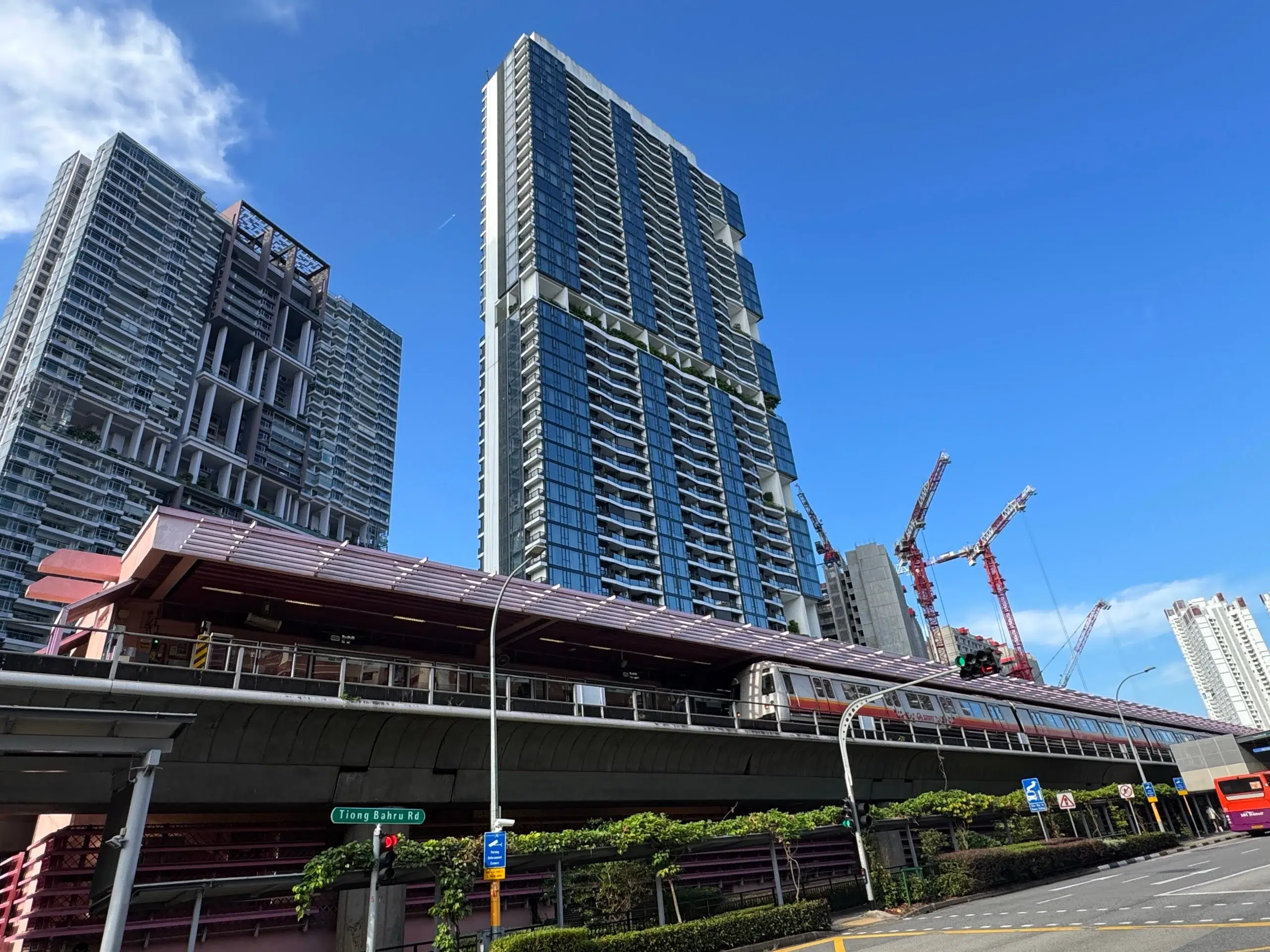
As we move into 2026, the residential property markets of Southeast Asia are entering a new phase: one less defined by pandemic shock and more by structural transitions in work, demographics, climate, and technology. Having weathered a relatively resilient 2025—with economies such as Singapore, Vietnam, and Malaysia posting healthy GDP growth—the next 12 months will test how keenly the housing sector adapts to deeper shifts. Against this backdrop, four trends stand out as pivotal for the residential sector in 2026.
1. Return to Office & Reprioritised Accessibility
During the pandemic, the residential sector experienced a marked shift: Many workers migrated farther from city centres, freed by remote or hybrid working arrangements. In turn, housing demand shifted to suburbs, peripheral districts, and larger homes. But now a countermovement is underway. Many firms in the region are reinforcing return-to-office mandates: informal knowledge transfer, collaboration, and mentoring—especially in AI and knowledge-driven environments—are prompting companies to require more frequent office attendance.
A CBRE survey shows that 82% of Asia-Pacific respondents now impose consequences for non-compliance with return-to-office protocols, up from 66% in 2024.
What does this mean for residential markets in 2026? Proximity to employment hubs, transport nodes, and transit-oriented developments will regain premium status. In Singapore, projects close to MRT stations or with strong connectivity will continue to outperform new launches further afield. In Malaysia—particularly Kuala Lumpur and Selangor—demand for well-connected homes is rising despite uncertain macro conditions.
The implication is clear: developers and investors should prioritise projects with access to expressways, MRT lines, or major employment catchments rather than assume remote locations will dominate. A case in point is Bangsar, one of Kuala Lumpur’s most in-demand areas in July, according to PropertyGuru data. An affluent, lifestyle-centric hillside suburb with excellent rail connectivity, Bangsar appeals to expatriates and professionals who value both lifestyle and proximity to the city. Homes farther out may still attract price-sensitive buyers, but the gap between central or transit-adjacent and peripheral locations is likely to narrow.
2. Demographic Transition & Multi-Generational Living
Another tectonic shift is the demographic transition. As the baby boomer generation moves into later stages of life, they are both asset-rich and seeking to liquidate or support new purchases. Meanwhile, younger millennials and Gen Z are becoming first-time homebuyers but face affordability constraints. Family structures are evolving too: Singles, delayed marriages, and multi-generational households are increasingly common.
This dynamic fuels demand for homes that accommodate different age groups, feature flexible layouts, and offer amenities for both older and younger residents. Car-lite neighbourhoods with barrier-free access, walking-distance conveniences, and shared facilities that allow older children, grandparents, and grandchildren to cohabit or support one another are gaining traction.
Success in 2026 will come not from replicating old models
In 2026, standard unit types will no longer suffice. Developers who offer flexible layouts—such as optional partitions, dual-key units, and home office spaces—and incorporate elder-friendly facilities, shared social zones, and concierge or medical care support will stand out. Younger generations’ comfort with digital living also means that homes with smart features, communal co-working areas, children’s play spaces, and ageing-in-place elements will prove more marketable. From an investment perspective, walkable neighbourhoods near healthcare, recreation, childcare, and transit will command growing premiums.
3. Climate Resilience, Sustainability & the Green Premium
The third trend is climate resilience. As global warming accelerates, risks such as extreme heat, heavier rainfall, flooding, and rising sea levels are increasing. Governments and regulators in Southeast Asia are encouraging—and in some cases mandating—higher standards of green design, resilience features, and sustainability.
For the residential market, this means buyers are increasingly aware of, and willing to pay for, homes that mitigate these risks: properties in elevated locations, with improved drainage, heat-mitigating design, solar-ready systems, EV charging, better ventilation, and energy-efficient appliances. Sustainability credentials—from green certifications to low-carbon materials and waste reduction—are becoming key differentiators.
For 2026, two outcomes are likely. First, older stock or homes in high-risk locations—flood-prone or poorly insulated—will face discounting or slower uptake compared with new supply designed to address these risks. Second, the value gap between “green/ resilient” and “non-green” homes will widen. Developers who integrate resilience and sustainability into their propositions will not only attract buyers but may also benefit from regulatory incentives and lower operating costs. For investors, sustainability is no longer optional—it is essential for long-term value preservation.
4. Technological Disruption, Data-Driven Living & Affordability Pressure
The fourth major shift is technological disruption. Advances in artificial intelligence, automation, and digitisation are transforming how people live and work, and by extension, how housing demand evolves.
On one hand, the rise of data centres, computational hubs, and digital infrastructure may generate localised housing demand in “data cluster” regions, where jobs will concentrate. On the other hand, automation could reduce job security for some segments of the workforce, intensifying affordability pressures for younger buyers.
Related: Designing for wellness and transit wins global buyers in Southeast Asia
This divide will feed into the residential market in two ways. First, demand for housing with smart-home features, integrated IoT, remote-work-ready layouts, flexible leasing, and co-living options will grow. Buyers will expect home environments that are digitally enabled, responsive, and configured for hybrid lifestyles. Second, affordability constraints will push many toward alternative housing models: smaller footprints, shared amenities, modular units, co-living, or build-to-rent options. For developers and investors in 2026, being attuned to this bifurcation is critical; premium smart homes for rising tech-driven incomes and flexible, value-oriented housing for the affordability-constrained majority.
Conclusion
As we head into 2026, the drivers of residential market performance in Southeast Asia will shift from simple recovery momentum to deeper structural forces. Homes close to employment centres and transit will regain premium status as return-to-office mandates tighten. Multi-generational living, demographic change, and amenity-rich neighbourhoods will underpin demand. Climate resilience and sustainability credentials will become non-negotiable. And technological disruption will both elevate the premium smart-home segment and heighten affordability challenges elsewhere, driving innovation in housing models.
For investors and developers, the message is clear: Success in 2026 will come not from replicating old models, but from anticipating how lifestyles, work patterns, demographics, and climate realities are reshaping what people want from a home. The resilient housing markets of Singapore, Vietnam, and Malaysia provide a solid base—but the winners will be those who adapt to the new “living product” standard rather than simply paste old templates onto new launches.
The original version of this article appeared in PropertyGuru Property Report Magazine Issue No. 193 on issuu and Magzter. Write to our editors at [email protected].
Recommended

ARES Whitepaper Volume 4: Powering communities – The catalysts of urban evolution
Fresh perspectives on sustainability, lifestyle, and design shaping the future of real estate

ARES White Paper Volume 3: The era of adaptive reinvention
Pioneering sustainable and innovative practices in urban development

ARES White Paper Volume 2: Unravelling the power of data revolution in real estate
Insights on proptech, smart cities, and sustainable development
ARES Digital White Paper Volume 1: The fundamentals of responsible building
Green and climate heroes join forces to discuss how Asia Pacific can weather the current environmental crises and the looming effects of climate change